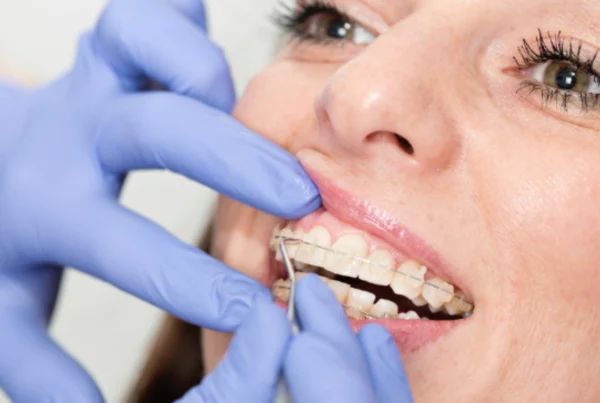



Many patients undergoing orthodontic treatment in Palma de Mallorca with us are unaware that the final success of orthodontic treatment largely depends on the retention phase. This stage following the use of braces or aligners is crucial for maintaining the achieved dental position. Teeth have positional memory and tend to return to their original location, making retention devices essential allies for stabilizing results.
Understanding the dental retention process
After completing active orthodontic treatment, an adaptation period begins where specially designed appliances are used to maintain the achieved alignment. It’s important to follow your dentist’s instructions to maintain orthodontic results. These devices allow the dental support structures (gums, ligaments, and bone) to gradually reorganize around the teeth in their new position.
Available options for dental retention
Permanent retainers
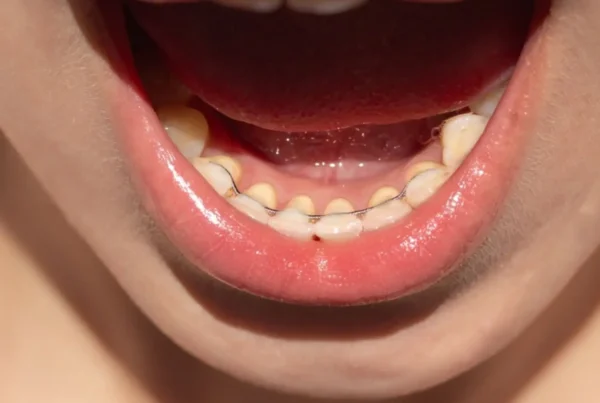
These consist of a thin metal arch that attaches discreetly to the back of the front teeth, typically on the lower jaw. This system provides continuous retention without affecting aesthetics or functionality, being particularly recommended for adult patients requiring long-term stabilization.
Removable retainers
There are mainly two variants: nearly invisible Essix-type clear trays, and Hawley models that combine resin and metal. Both types require meticulous cleaning and allow greater flexibility in use according to the specialist’s instructions.
Usage protocol and recommended duration
The first twelve months after treatment represent the most sensitive period, when teeth show the greatest tendency to shift. Initially, nearly continuous use (20-22 hours daily) of removable retainers is suggested, gradually reducing to nighttime use as dental stability improves.
For mature patients, retention typically requires longer duration, sometimes indefinitely, especially when using fixed retainers.
Why is this phase crucial?
- Preventing dental regression: Natural chewing forces and periodontal tissue elasticity can reverse achieved changes.
- Tissue adaptation: Support tissues need time to restructure around the new dental positions.
- Protecting your investment: The time and resources invested in orthodontic treatment deserve protection through proper retention.
Practical tips for patients
- Strictly follow the usage plan established by your orthodontist
- Implement specific cleaning routines for retention devices
- Attend all scheduled check-ups to evaluate retainer condition
- Understand that retention is an integral part of the complete treatment
The retention phase should not be considered an optional addition, but rather the stage that guarantees the long-term effectiveness of orthodontics. Consistent use of retainers according to professional guidelines makes the difference between temporary results and a stable smile for life.
Dental health professionals emphasize the importance of this process, accompanying patients throughout the journey toward permanent functional and aesthetic occlusion.