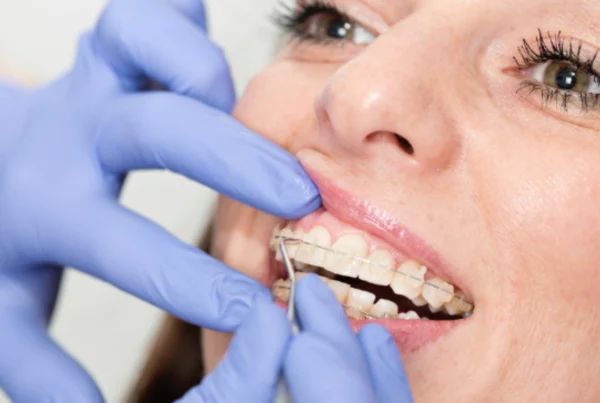


Finishing your orthodontic treatment is great news. Whether you chose invisible orthodontics with aligners or braces, the day your appliance comes off you finally get to see the result of months of commitment. What many patients don’t realise is that this day doesn’t mark the end of treatment, but the beginning of its most decisive stage: retention. And that’s where a small device worth its weight in gold comes into play — the retainer.
At Centro de Urgencias Dentales we explain it like this to anyone starting orthodontics in Palma de Mallorca: aligning your teeth is the goal, but keeping them aligned is what makes that goal worthwhile in the long run.
Why teeth tend to drift back
When a tooth moves, it doesn’t travel alone: it brings the surrounding bone, ligament and gum along with it. Those tissues need weeks or months to reorganise around the new position. Until that process is complete, there’s a silent force pushing the tooth back towards where it used to be.
That return has a name: relapse, and it’s the reason some people who wore braces as teenagers come back to the clinic years later with crowded teeth again. It’s not that the orthodontics «failed»: the retention stage was missing. The retainer is, quite literally, what stops that push from winning.

A retainer matters just as much after aligners as after braces
Here it’s worth clearing up a common misunderstanding. Some patients believe that, having chosen invisible orthodontics, they’re exempt from wearing a retainer. That’s not the case. The way the movement was achieved doesn’t change the biology: whether you used clear aligners or wore braces, your teeth have the same tendency to shift once the appliance is removed.
In other words: the system used to correct the smile may differ, but the need to maintain it is identical. Every orthodontic treatment — visible or invisible — ends with a retention stage.
What retainer options are there
No single model is better in absolute terms; there’s a better model for each person. These are the two main families:
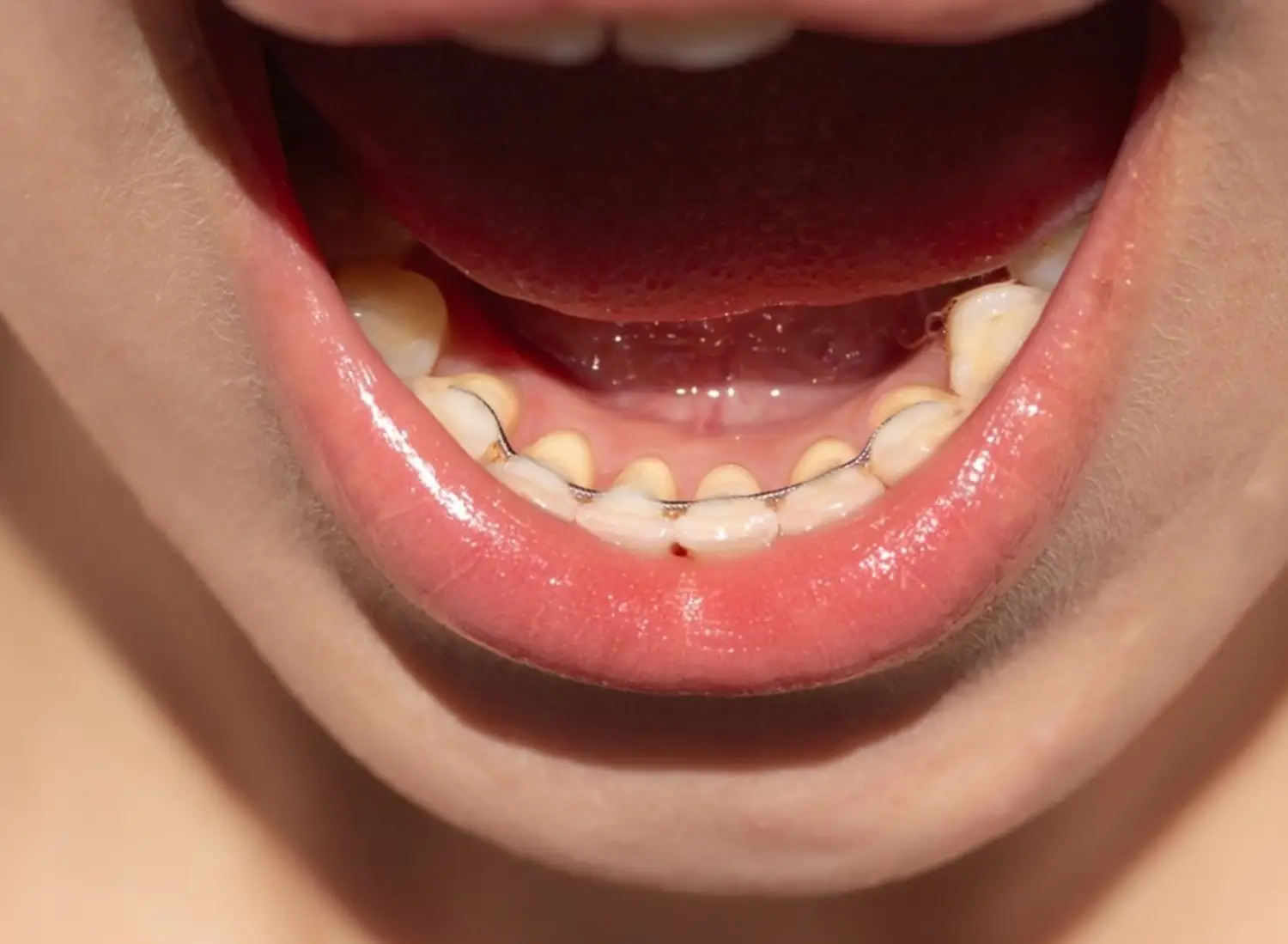
- Fixed retainer. A very thin wire bonded behind the teeth, from canine to canine. It works permanently and can’t be seen, so it doesn’t depend on you remembering to put it in. In return, it calls for more careful hygiene in that area, doesn’t cope well with biting very hard foods, and should be checked now and then in case it comes loose.
- Removable retainer. A clear plastic tray very similar to an aligner, usually worn at night. It’s comfortable, discreet and easy to clean, but it only works if you’re consistent: you have to put it in, keep it in its case and clean it daily.
In many cases the best solution is to combine both — for example, fixed on the lower arch and removable on the upper. It’s something we decide together based on your bite, your habits and your routine.
For how long?
The current recommendation from most specialists is to keep up retention indefinitely. This doesn’t mean wearing the retainer around the clock forever, but keeping a routine — almost always at night — that gradually spaces out over the years as your professional advises.
The reason is that teeth never stay still: with age, with bruxism, or simply from the natural pressure of the tongue and lips, there’s always a slight tendency to move. The retainer is the insurance policy that protects your investment decade after decade.
How to look after it so it lasts
Removable: wash it every day with cold water — never hot, as it warps the plastic — and a soft brush; avoid abrasive toothpastes and products containing alcohol; always keep it in its case, not wrapped in a napkin; and drink nothing but water while wearing it. Keep it away from the heat of a car or direct sunlight.
Fixed: brush the area around the wire with particular care, use interdental brushes or special floss to reach between the teeth, avoid foods that could dislodge it, and let us check it at every visit.
We’ll help you choose the right one
Every mouth is different, and the ideal retention depends on your specific case. At Centro de Urgencias Dentales we assess your situation individually and explain clearly which option suits you, whether you’ve just finished your treatment or you’re still thinking about starting it.
If you’re looking for a dentist in Palma who also takes care of the stage that truly makes your smile last, or you’d like to learn more about invisible orthodontics or braces, our team is here to help. Aligning your teeth is only the beginning; keeping them that way is what turns the result into something that lasts a lifetime.