

Orthodontics is a dental specialty that aims to correct the position of the teeth and jawbones to improve both the aesthetics and functionality of the mouth. While the overall goal is the same, the approach to treatment varies significantly depending on the patient’s age. In this article, we will explore the main differences between orthodontics in adults and children, to help you make an informed decision about when and how to start treatment if you are considering undergoing orthodontics in Palma de Mallorca.
1. Treatment Objectives: Prevention vs. Correction
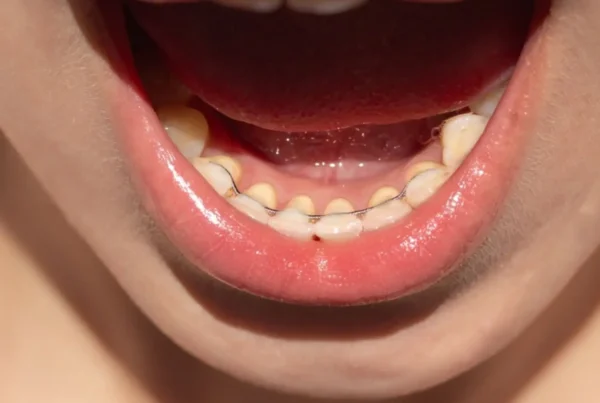
In children, orthodontics has a primarily preventive focus. By taking advantage of the active growth of the skull and face, it is possible to guide bone development to prevent serious malocclusions in the future. Skeletal anomalies such as crossbite or maxillary protrusion are corrected early, when the structures are still malleable.
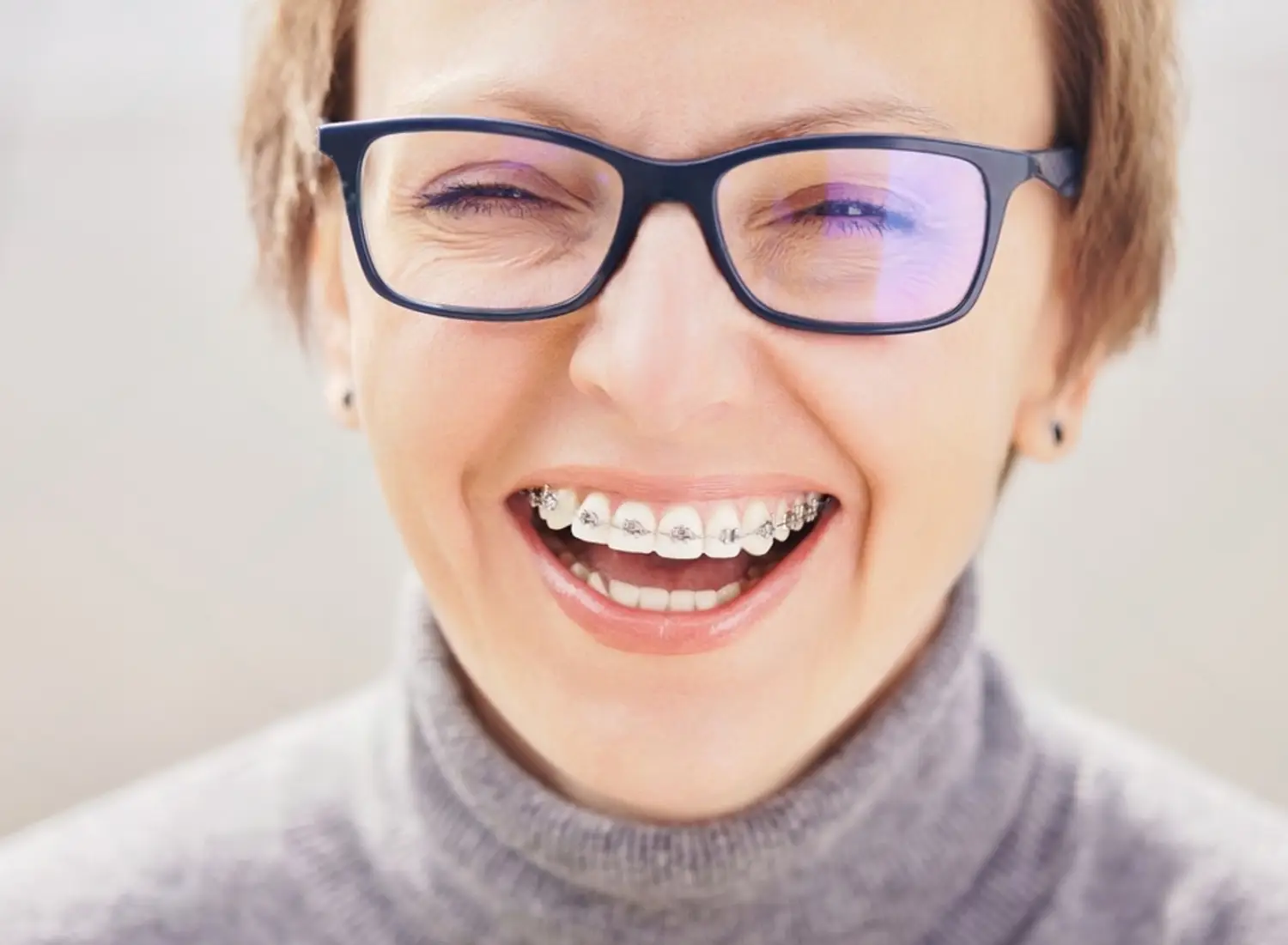
In adults, treatment focuses on correcting already established problems, such as dental crowding, diastemas (spaces between teeth), or malocclusions. In more complex cases, where there is significant bone alteration, it may be necessary to complement the treatment with orthognathic surgery. Consult us if you are considering undergoing adult orthodontics in Palma de Mallorca.
2. Treatment Speed and Adaptation
Children show a faster response to orthodontic treatment. This is because their bones are still growing and they have a higher rate of cellular regeneration. Additionally, they usually adapt quickly to the devices, typically in less than a week.
In adults, dental movement is slower because the bones are fully developed and have less vascularization. The adaptation period to the devices can take up to two weeks, and treatments tend to last longer.
3. Available Treatment Options
Children benefit from functional devices, such as palatal expanders, which not only correct dental alignment but also stimulate bone growth. They can also use self-ligating braces, which allow for faster movement with less friction.
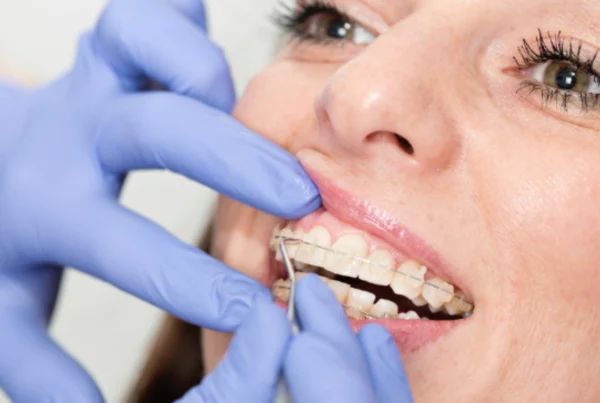
Adults often prefer more aesthetic and discreet options. At our dental clinic in Palma, we offer Invisalign invisible orthodontics, and sapphire or ceramic braces are ideal for those who want to correct their smile without compromising their appearance. In many cases, adult orthodontic treatment is complemented with implants, veneers, or crowns as part of an integrated rehabilitation.
4. Risks and Specific Considerations
In adults, the risk of complications such as root resorption (loss of part of the dental root) is higher during treatment. Additionally, it is crucial to treat any periodontal issues or cavities beforehand to avoid complications.
In children, complications tend to be less frequent if intervention occurs on time. Early orthodontics not only improves oral health but can also positively influence a child’s self-esteem and overall development.
Child or Adult Orthodontics? Which Is the Best Option?
Both options are effective but should be approached on a personalized basis. In children, orthodontic treatment is an investment in future health, as it prevents major complications and allows for the guidance of bone growth. In adults, although there are certain biomechanical limitations, current treatments significantly improve both aesthetics and function, regardless of age.
Conclusion: There is no age limit for orthodontics. The key is to make an accurate diagnosis and define each patient’s objectives. Child orthodontics relies on growth potential, while adult orthodontics focuses on providing solutions adapted to already formed structures. In both cases, the support of a specialized orthodontist is essential for achieving successful and lasting results.
If you are considering orthodontic treatment for yourself or your child, contact us to schedule a personalized consultation. We will be happy to help you achieve a healthy and functional smile at any stage of life!