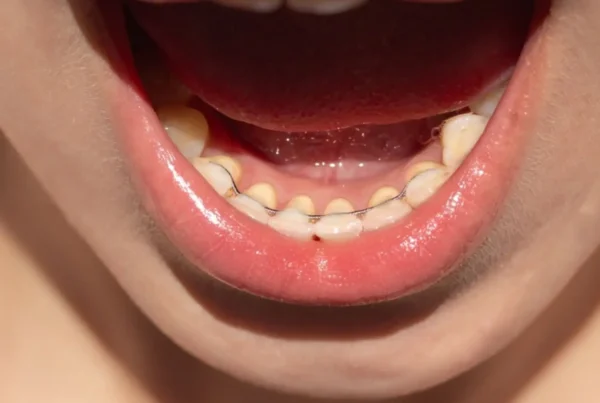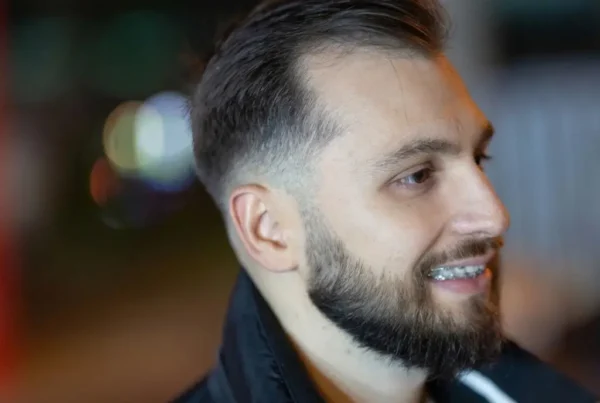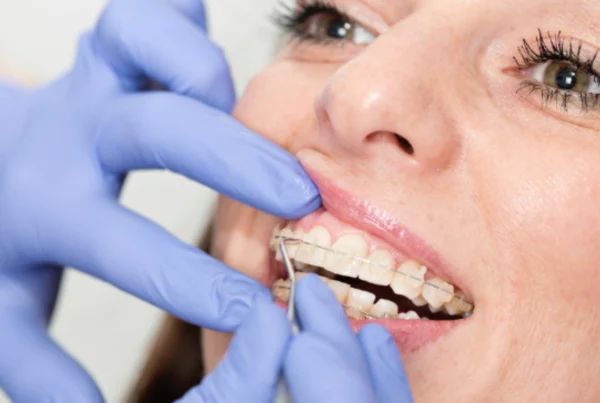



If you’re looking for a Dentist in Palma de Mallorca to evaluate your child’s treatment, it’s normal to have doubts between braces and aligners. Both methods correct bite and tooth alignment, but they aren’t always equally suitable for every case.
Before starting any Orthodontic treatment in Palma de Mallorca, it’s important to understand how each system works, what it requires from the patient, and what results it can offer based on the case’s complexity. Below is a clear guide to help you make an informed decision with your orthodontist.
1) Fixed Orthodontics (Braces)
Advantages
- Very effective for complex cases and severe malocclusions.
- Generally, more affordable than aligner systems.
- Constant force that can speed up certain tooth movements.

Disadvantages
- Visible, with a greater aesthetic impact.
- More demanding hygiene: increases the risk of cavities and gum problems if not cleaned well.
- Possible chafing on lips and cheeks, especially at the beginning.
- Dietary restrictions (avoid hard, sticky, or very crunchy foods).
2) Invisible Orthodontics (Aligners)
Invisible orthodontics in Palma de Mallorca is based on removable, transparent aligners that progressively straighten teeth.
Advantages
- Aesthetic: practically invisible.
- Comfort: no wires or brackets to irritate the mouth.
- Removable: can be taken out for eating and brushing, which makes hygiene easier.
- Compatible with social life and sports.
Disadvantages
- Requires discipline: minimum use of 20–22 hours per day.
- Price is generally higher than traditional braces.
- In very complex cases, they may not be the most effective option; braces are sometimes recommended.
3) Responsibility: Key with Aligners
Success with aligners largely depends on the child’s commitment. If they aren’t worn for the specified time, the treatment is delayed or loses effectiveness.
Why it matters
- It’s easy to forget to put them back in after meals or brushing.
- There’s a risk of the aligners being lost or damaged if they’re not cared for properly.
Role of parents
- Supervision and reinforcement of routines, especially at the start.
- An opportunity to foster self-discipline and care for oral health.
4) General Factors for Deciding
- Case complexity: mild/moderate vs. severe.
- The child’s aesthetics and lifestyle.
- Responsibility and ability to follow instructions.
- Orthodontist’s recommendation after a clinical and radiographic study.
Conclusion
Invisible orthodontics is more comfortable and aesthetic but requires consistency; braces are very effective for all types of cases, though less discreet. The best choice comes from an individualized evaluation with a specialist who considers the diagnosis, expectations, and the child’s level of commitment. If you need professional guidance, make an appointment with a Dentist in Palma de Mallorca to study the case and plan the most suitable treatment within your Orthodontic care in Palma de Mallorca.