

If you are looking for a dentist in Palma de Mallorca specialized in advanced dental solutions, it is important to know all the available options for replacing missing teeth. Dental implants offer a safe, aesthetic, and long-lasting alternative that can restore both function and a natural-looking smile.
At our clinic, we have extensive experience in dental implants in Palma de Mallorca, tailoring each treatment to the specific needs of the patient. Below, we present a complete guide on the types of implants, their materials, advantages, and the placement process.
1. What is a dental implant?
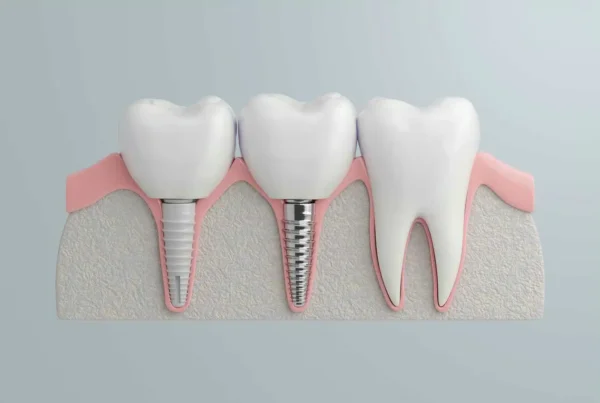
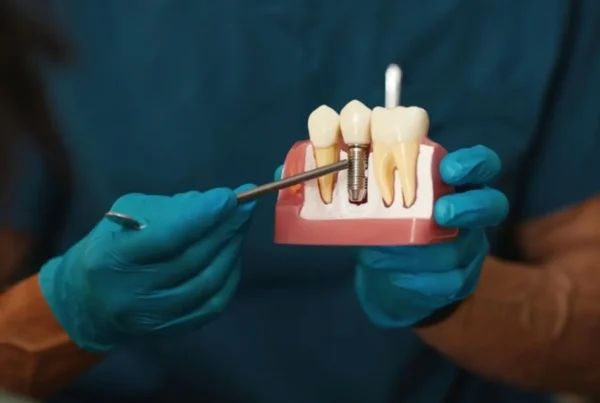
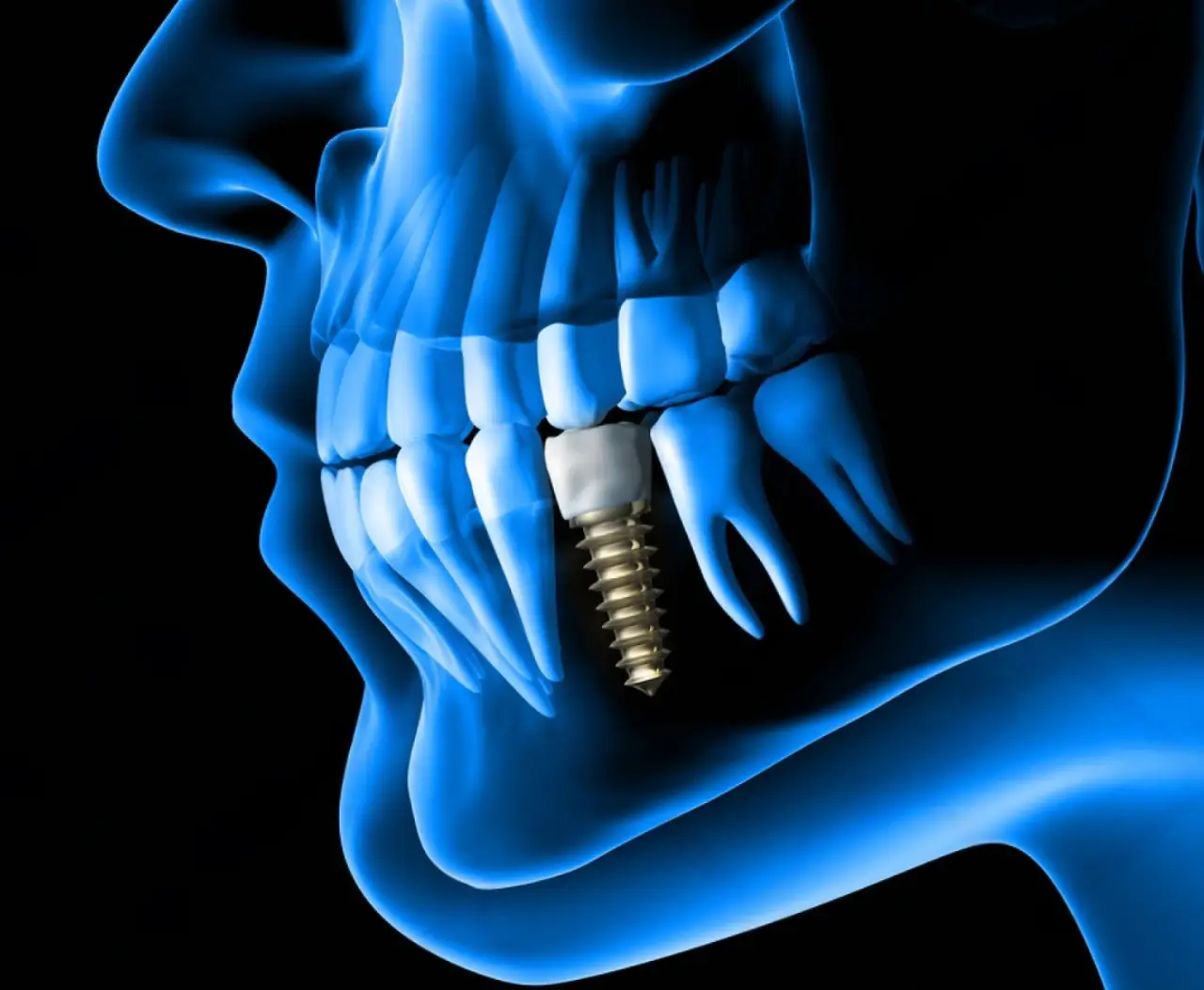
A dental implant is a small component, usually shaped like a screw, that is surgically placed into the jawbone or maxilla. Its main purpose is to replace the root of a missing tooth and serve as the foundation for a crown, bridge, or fixed denture.
They are made from biocompatible materials such as titanium or zirconia, allowing the bone to integrate naturally and safely, minimizing the risk of rejection.

Main parts of a dental implant:
- Implant or body: the part inserted into the bone.
- Abutment: connects the implant to the dental restoration.
- Crown: the visible artificial tooth.
2. Why replacing missing teeth is important
The absence of one or more teeth not only affects the aesthetics of your smile but also impacts chewing function and overall oral health. Emotionally, missing visible teeth can have a negative effect on self-esteem.
Replacing missing teeth helps to:
- Maintain proper dental alignment.
- Prevent chewing and digestion problems.
- Improve appearance and self-confidence.
3. Types of dental implants by placement
Endosteal implants
The most common type. They are placed into the bone and provide great stability. They require healthy, sufficient bone for proper anchorage.
Subperiosteal or juxtaosseous implants
Placed on top of the bone but beneath the gum tissue, used when bone quality or quantity is insufficient for endosteal implants. Less invasive than some other techniques.
Zygomatic implants
Anchored in the cheekbone rather than the jaw. Used in cases of severe bone loss in the upper jaw.
Immediate load implants
Allow for a temporary prosthesis to be placed within 24–48 hours, provided there is sufficient bone support.
Two-stage implants
The implant is first placed and covered. After the integration period, a second procedure is performed to attach the abutment and final crown.
There are also mini implants and All-on-4 systems, which replace all teeth in one arch using only four implants.
4. Types of dental implants by material
Metal (titanium)
Durable, lightweight, and highly successful thanks to their biocompatibility.
Ceramic (zirconia)
Ideal for patients with metal allergies. They provide a highly natural appearance and are resistant to corrosion.
5. Factors to consider when choosing an implant
- Quality and quantity of available bone.
- Number of teeth to replace.
- Overall oral health and hygiene habits.
- Patient’s aesthetic preferences.
- Lifestyle and realistic expectations.
6. Placement procedure
Initial evaluation
Includes a clinical examination, X-rays, or CT scans to assess bone density and shape.
Surgery
Under local anesthesia or sedation, the implant is inserted into the bone and the gum is sutured. Osseointegration typically takes between 2 and 6 months.
Prosthesis placement
Once the implant is fully integrated, the abutment and final crown are attached.
7. Ideal candidates
Individuals with good oral health, sufficient bone, and proper hygiene habits. Not recommended for smokers or patients with uncontrolled chronic conditions.
8. Advantages and disadvantages by implant type
- Endosteal: long-lasting, better aesthetics and functionality, but require more invasive surgery.
- Subperiosteal: less invasive, but with lower durability and aesthetics.
- Zygomatic: suitable for extreme cases, but involves complex surgery.