

At our dental clinic in Palma de Mallorca, one of the most common questions we get from patients looking to improve their smile is: Which type of orthodontic treatment hurts more — traditional braces or clear aligners (like Invisalign)?
The answer is clear: braces tend to cause more pain and discomfort than invisible orthodontics. Below, we explain why and how to relieve these symptoms in each case.
If you’re looking for orthodontic treatment in Palma that fits your lifestyle, our clinic offers various options, from traditional braces to advanced invisible orthodontics in Palma. Our team of specialized orthodontists will help you choose the most comfortable, aesthetic, and effective solution based on your needs.
Braces: effective and fixed… but more uncomfortable
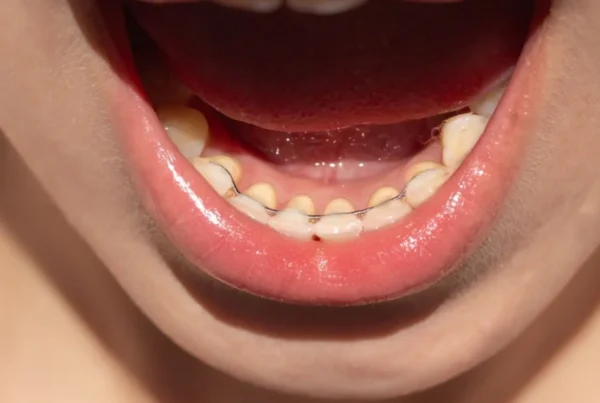
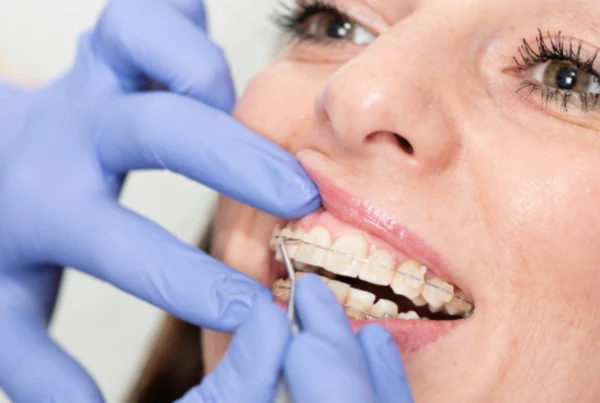
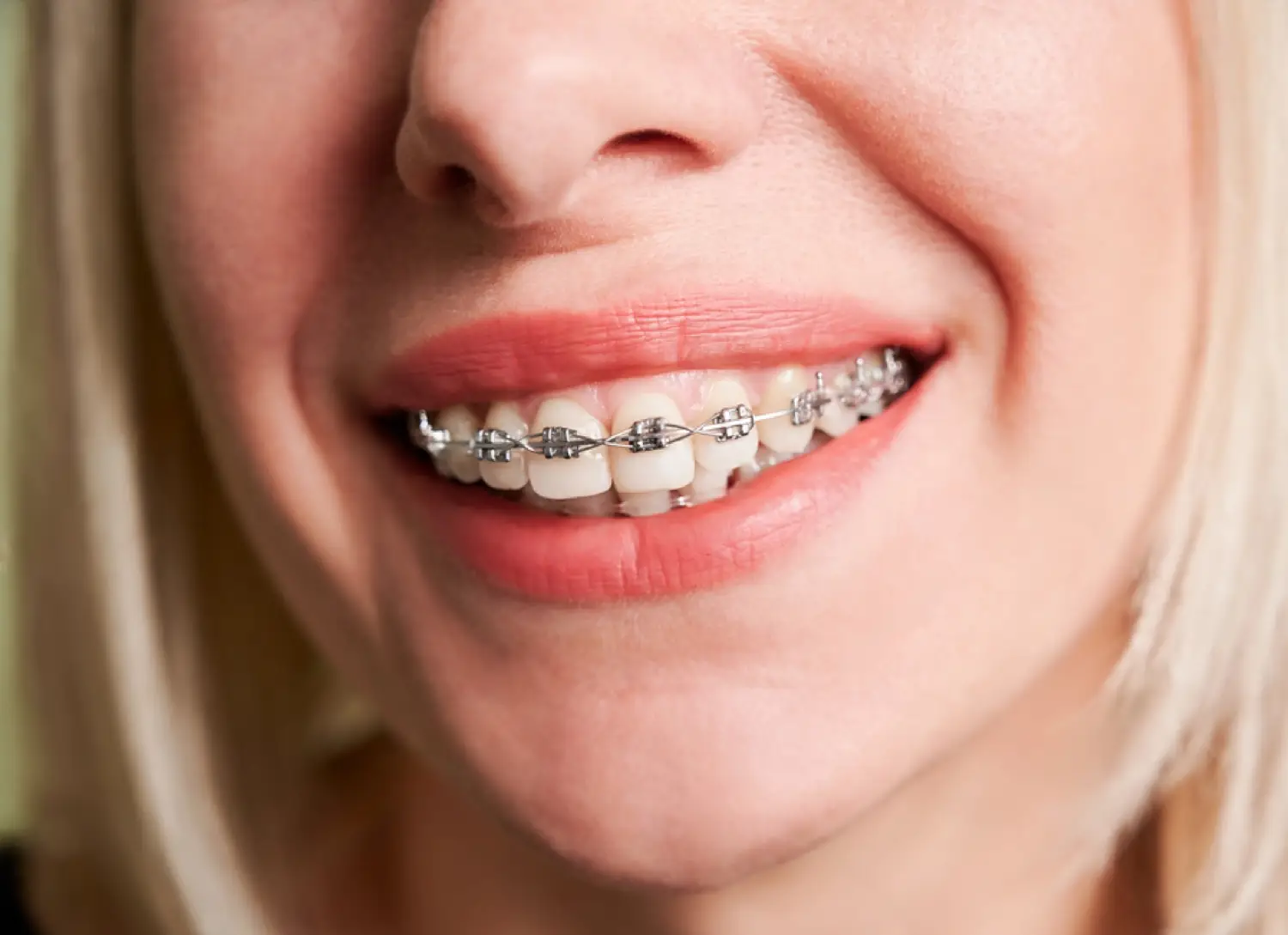
Traditional braces use metal or ceramic brackets attached to the teeth, connected by wires that are periodically adjusted to align the teeth. While highly effective, they tend to cause more frequent pain and discomfort.
What kind of pain can they cause?
- Pressure on teeth and gums, especially in the days following placement or adjustments.
- Sores and cuts in the mouth, caused by contact between the metal and the lips, cheeks, or tongue.
- Difficulty chewing hard foods, often accompanied by tooth sensitivity.
- In some cases, headaches due to jaw pressure may occur.
How long does the discomfort last?
The most intense discomfort usually lasts between 3 to 4 days after placement or adjustment. Irritation from rubbing may persist up to a week, but most patients adapt within the first month.
How to relieve pain from braces?
- Take pain relievers such as ibuprofen or paracetamol (always under your dentist’s guidance).
- Use warm saltwater rinses to reduce inflammation.
- Apply cold packs or consume cold foods.
- Follow a soft food diet in the initial days.
- Use orthodontic wax on areas causing irritation.
- Maintain good oral hygiene to avoid infections and help with adaptation.

Invisible orthodontics: less invasive, more comfortable
Invisible orthodontics, like the Invisalign system, use removable, custom-made clear aligners. This type of treatment applies gentle, gradual pressure to the teeth, which means less pain and easier adaptation.
What discomforts can it cause?
- Feeling of dental pressure, especially when starting a new aligner.
- Mild sensitivity in the gums or cheeks at the beginning of the treatment.
- Occasionally, headaches or jaw sensitivity may appear but usually fade with continued use.
How long does the discomfort last?
Usually between 2 to 5 days after switching to a new aligner. Most patients adjust quickly and do not experience intense pain.
How to relieve discomfort from aligners?
- Take over-the-counter pain relievers, if needed.
- Apply cold compresses or drink cold water.
- Choose soft foods after switching aligners.
- Use warm saltwater rinses.
- Perform gum massages or jaw relaxation exercises.
- Use dental wax if the aligner edges cause irritation.
- Wear the aligners as much as possible (except for eating and brushing) to speed up adaptation.
So, which is better for you?
Both systems are effective in straightening teeth, but if you’re looking for a more comfortable and less painful treatment, invisible orthodontics is often the preferred choice.
At our dental clinic in Palma de Mallorca, we help you choose the best option based on your needs, lifestyle, and aesthetic goals. If you still have questions or want a personalized assessment, book your appointment with us and take the first step toward your best smile!