

Orthodontics is an effective solution to correct dental alignment issues and achieve a more aesthetic and healthy smile. However, the duration of an orthodontic treatment can vary significantly depending on several factors, such as the complexity of the case, the type of appliance used, and the patient’s cooperation. In this article, we explain the key aspects that influence the duration of orthodontic treatments at our dental clinic in Palma de Mallorca.
Average Duration of Orthodontic Treatment
In general terms, as experts in orthodontics in Palma de Mallorca, we can say that the duration of an orthodontic treatment depends on several factors. Below is a summary of typical durations:
- Standard duration: For most orthodontic treatments, the duration ranges between 18 and 24 months. This is the most common timeframe for cases requiring moderate to severe corrections.
- Simple cases: Some patients with minor alignment issues can complete treatment in as little as 12 months, or even less, depending on the degree of correction needed.
- Complex cases: In cases of severe malocclusions or significant dental misalignments, treatment may extend to 30 or 36 months.
- Very mild treatments: Minor alignment issues may be corrected in a much shorter time, between 3 and 6 months.
It’s important to note that additional factors such as the initial condition of the teeth, the patient’s age, the orthodontic technique used, and patient cooperation can also influence the final treatment duration.
Factors That Can Extend Treatment Duration
Certain factors may increase the length of orthodontic treatment:
- Case complexity: Complex malocclusions or significant dental displacements require more time for correction, as dental movements are more difficult to achieve.
- Lack of patient cooperation: The success of treatment largely depends on patient discipline. Failing to follow the orthodontist’s instructions (such as using elastics, retainers, or aligners), missing appointments, or poor oral hygiene can delay progress and results.
- Harmful habits: Habits like thumb sucking, tongue thrusting (when the tongue pushes against the teeth), or biting objects can create forces that interfere with the appliance, slowing down treatment.
- Older age: In adults, bones and tissues are less malleable than in children, which can slow down dental movement and extend the duration of treatment.
Factors That Can Shorten Treatment Duration
On the other hand, there are factors that can reduce the time needed to complete orthodontic treatment:
- Use of advanced technologies: Self-ligating brackets or clear aligners, such as Invisalign, are designed to deliver faster and more precise tooth movements, potentially reducing treatment time.
- Active patient cooperation: Strictly following the orthodontist’s instructions—such as proper use of appliances and excellent oral hygiene—can help speed up treatment progress.
- Less complex cases: If the dental problem is minor, like slightly crooked teeth or a mild bite issue, treatment can be quicker and last only a few months.
- Younger age: In children and teens, dental bones and tissues are more flexible and responsive to orthodontic movement, which can accelerate treatment.
Duration According to Appliance Type
Treatment duration also varies depending on the type of orthodontic appliance used:
- Metal braces: Metal brackets are the most effective for correcting complex dental issues. Thanks to their strength and precision, the average duration is 18 to 24 months.
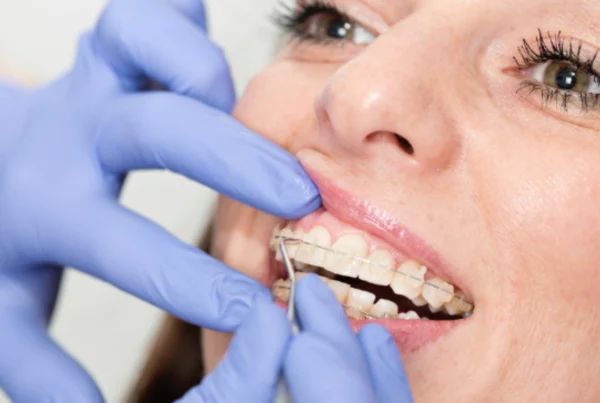
- Aesthetic braces (ceramic or sapphire): Although they are just as effective as metal ones, their material can cause more friction with the archwire, slightly slowing down the process. Generally, their duration is similar to metal braces, but may be extended by a few months in some cases.
- Clear aligners (like Invisalign): Invisible orthodontics in Palma are becoming an increasingly popular choice for those looking for an aesthetic solution. In simple cases, they may be faster—lasting between 3 and 12 months. However, in more complex cases, they may take the same or even longer than metal braces (up to 18 months). The effectiveness of aligners depends heavily on patient cooperation, as they must be worn at least 22 hours per day for optimal results.
Conclusion
In summary, the duration of orthodontic treatment varies based on several factors, such as the type of appliance, case complexity, patient cooperation, and age. Metal braces are ideal for resolving complex problems, while clear aligners can be faster in mild cases. Aesthetic braces may take a bit longer due to material friction.
The most important step is to consult with an experienced orthodontist who can assess your individual case and recommend the most suitable treatment, ensuring a perfect and healthy smile in the shortest possible time. If you’re in Palma de Mallorca and looking for orthodontic treatment, contact our dental clinic for expert advice and personalized care!