

Both dental bridges and implants represent valid alternatives to replace missing teeth, although there are important differences between both options.
Dental Implants
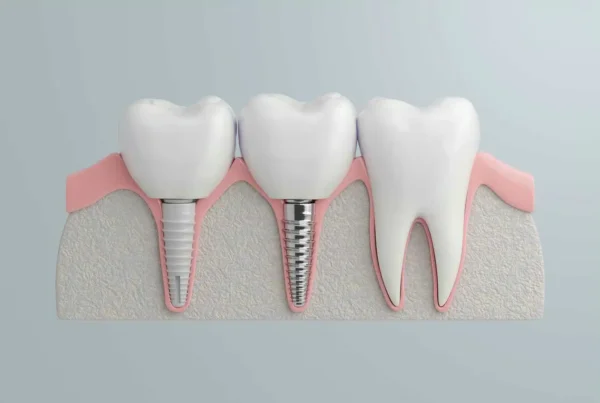
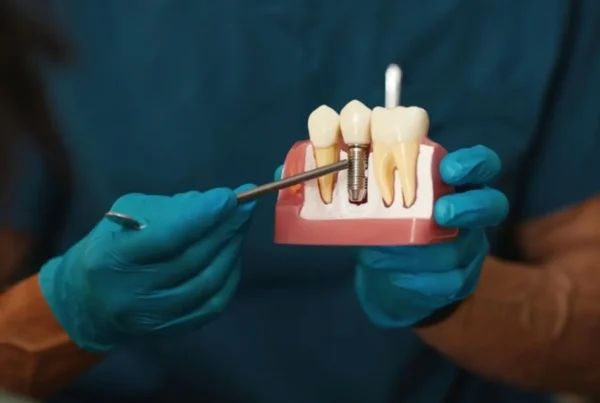
Dental implants are commonly considered the most suitable option in most cases. They are composed of a “micro screw” that is inserted into the bone below the gum, acting as the root of the tooth, on which a dental crown is placed. Among the main advantages of implants are:
- Healthy adjacent teeth are not affected.
- They provide greater stability, comfort, and a natural appearance.
- They help preserve the alveolar bone and prevent bone resorption.
- They have a longer lifespan, lasting a lifetime.
- They operate independently, without depending on other teeth.
Dentist in Palma
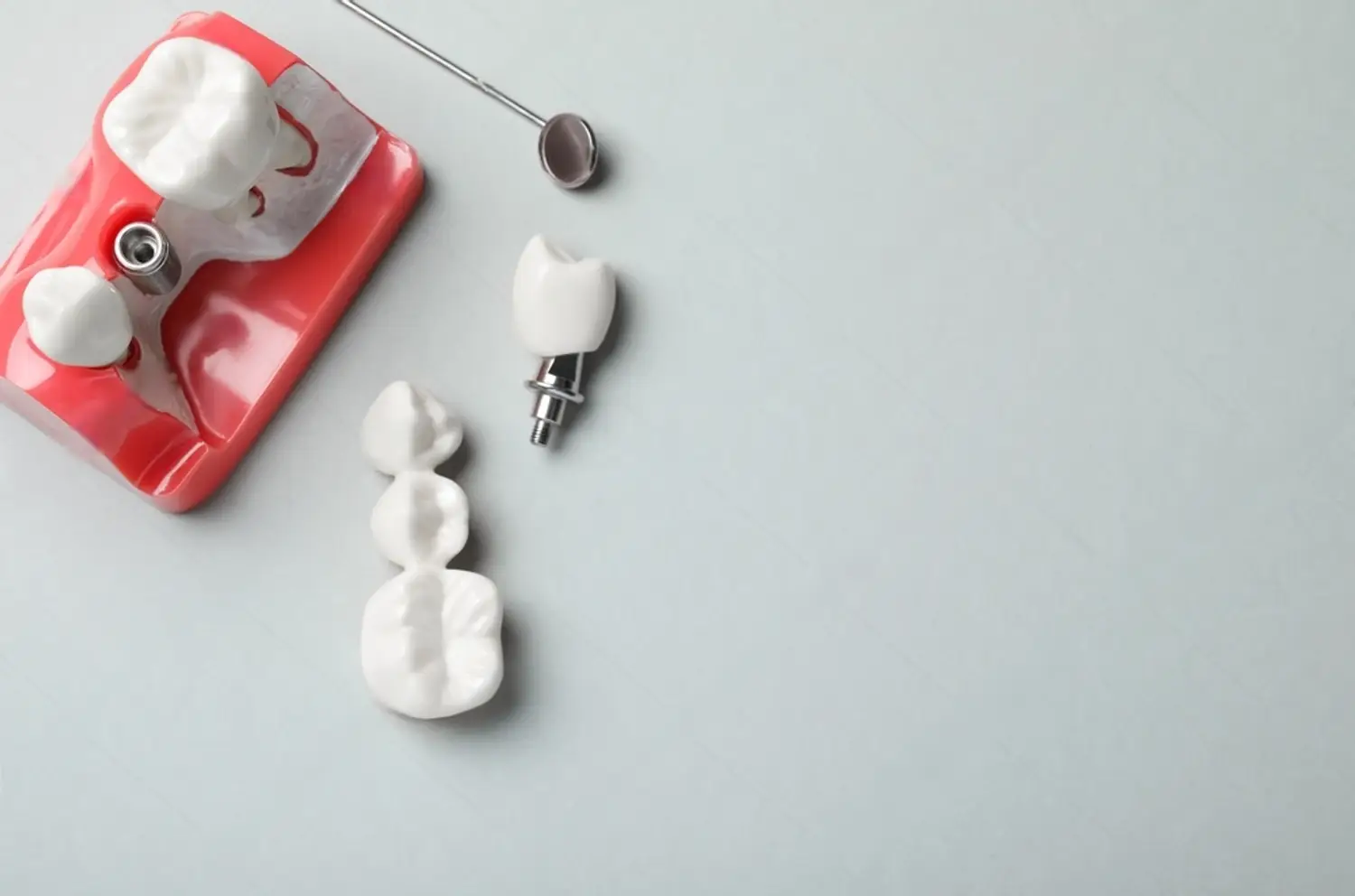
On the other hand, dental bridges are prostheses that are supported by the teeth near the space that needs to be covered. Although they may be more cost-effective initially, they have certain disadvantages:
- Healthy adjacent teeth need to be shaved for their placement.
- Their durability is lower compared to implants.
- They may accumulate more food debris, complicating hygiene.
- Their effectiveness depends on the health of the supporting teeth.
Although the choice between a dental bridge or an implant will depend on the specific circumstances of each patient, implants are generally more recommended. They offer a more durable, functional solution that better promotes long-term oral health. However, aspects such as cost, the patient’s bone condition, and personal preferences should be taken into account when deciding. A Dentist in Palma can provide a detailed evaluation to help determine the best option according to individual needs.