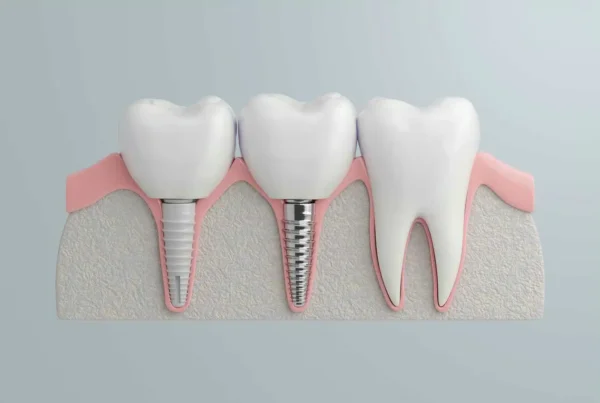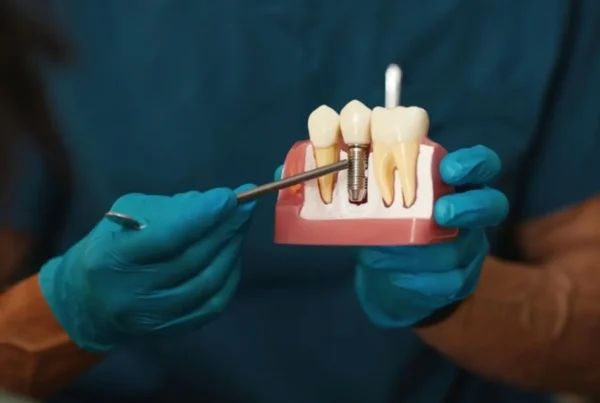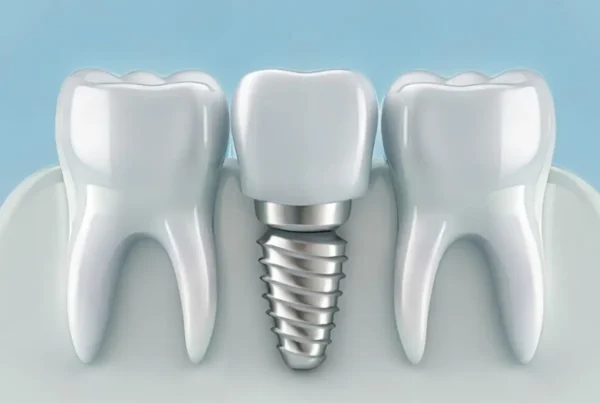



If you are considering a treatment of dental implants in Palma de Mallorca, it is important to understand that smoking can directly influence the outcome. Smoking not only harms overall health, but also affects healing, bone quality, and the response of the tissues surrounding the implant.
For any personalized assessment, visiting a dentist in Palma de Mallorca allows for a thorough evaluation of the condition of your gums, bone structure, and habits before starting treatment.
The impact of smoking on oral health
Before analyzing its relationship with dental implants, it is essential to understand how smoking affects the mouth as a whole. Smoking reduces blood flow to the gums, promotes the presence of pathogenic bacteria in the oral cavity, and weakens the immune system’s defense capacity.
Additionally, it is associated with chronic inflammation, loss of supporting bone, halitosis, dental staining, and an increased risk of periodontal disease. All of this creates a less favorable environment for any dental treatment, especially implants, which require proper integration into the bone and healthy surrounding tissues.
In smokers, periodontal problems can also progress more rapidly and with fewer noticeable symptoms. As a result, damage often goes unnoticed until there is already significant involvement of the gums or bone.
Effects of smoking on dental implant treatment

Smoking can compromise different stages of dental implant treatment, from initial planning to long-term maintenance. Its impact is not limited to the time of surgery, but also affects healing, implant stability, and the health of surrounding tissues over time.
Smoking slows down implant integration into the bone
One of the most important aspects in implantology is osseointegration, the process by which the implant bonds with the jawbone. For this phase to progress properly, the body needs good blood circulation, oxygen, and sufficient nutrients.
Nicotine and other components of tobacco interfere with this process. By reducing blood flow to the tissues, recovery may be slower and implant integration can be compromised. When this happens, the risk of the implant not achieving the expected stability increases.
Smoking reduces bone quality and compromises implant stability
Another relevant factor is bone quality. In smokers, the bone may have lower density and a less favorable structure to support a dental implant under optimal conditions.
This does not mean that treatment cannot be performed, but it may require more careful planning. In some cases, the professional may need to consider prior procedures such as bone regeneration or grafting to improve the foundation where the implant will be placed.
Higher risk of infections around the implant
Smoking is also linked to a higher likelihood of infections in peri-implant tissues. One of the most well-known complications is peri-implantitis, an inflammatory process that affects the gum and the bone surrounding the implant.
When local defenses are compromised and bacterial accumulation increases, the risk of infection rises. If not detected and treated in time, it can lead to loss of supporting bone and jeopardize the implant’s longevity.
Postoperative complications and slower recovery
After the placement of a dental implant, the body begins a healing process that is crucial for treatment success. In smokers, this period can be more delicate, with a higher probability of persistent inflammation, prolonged bleeding, postoperative discomfort, or wound infection.
For this reason, it is commonly recommended to stop smoking before and after surgery. Reducing or eliminating tobacco use during this stage helps improve healing conditions and creates a more stable environment for the implant.
Smoking, dental implants, and aesthetics
Beyond functional aspects, smoking also negatively affects aesthetic results. It can cause staining of teeth and gums, persistent bad breath, and impact the overall appearance of the smile even when prosthetic rehabilitation has been properly carried out.
In treatments aimed at restoring both function and aesthetics, smoking is clearly a disadvantage. Maintaining healthy habits helps preserve results over the long term.
Frequently asked questions about smoking and dental implants
Can dental implants be placed if I am a smoker?
In many cases, yes, but an individual assessment is always necessary. Not all patients have the same gum condition, bone quantity, or level of tobacco consumption. Therefore, each case should be carefully evaluated before planning treatment.
Smoking requires stricter clinical control and clear communication about potential risks. Proper planning helps ensure safer and more realistic decisions.
How does smoking affect dental implants during recovery?
Recovery is a critical phase. Smoking during this period reduces tissue oxygenation and can interfere with normal healing. Even if the implant is correctly placed, success also depends on how the body responds afterward.
When healing is delayed or inflammatory complications arise, the likelihood of problems increases. That is why following professional guidelines is especially important for smokers.
How long should I avoid smoking after a dental implant?
As a general guideline, it is recommended to avoid smoking for at least 14 days before and up to 8 weeks after the procedure. This timeframe helps the body initiate bone regeneration and allows the implant to begin integrating more effectively.
The longer the period without smoking, the lower the interference with the treatment and the better the healing and long-term maintenance conditions.
A combination that requires professional attention
The relationship between smoking and dental implants should not be underestimated. Smoking can affect the bone, gums, healing process, and the final outcome of the treatment, both functionally and aesthetically. Therefore, each case should be assessed individually, taking into account oral health status and patient habits.
If you are considering implant treatment and want to know which options are most suitable for your situation, an evaluation by a dentist in Palma de Mallorca allows for safer planning and the implementation of measures to improve the prognosis.