
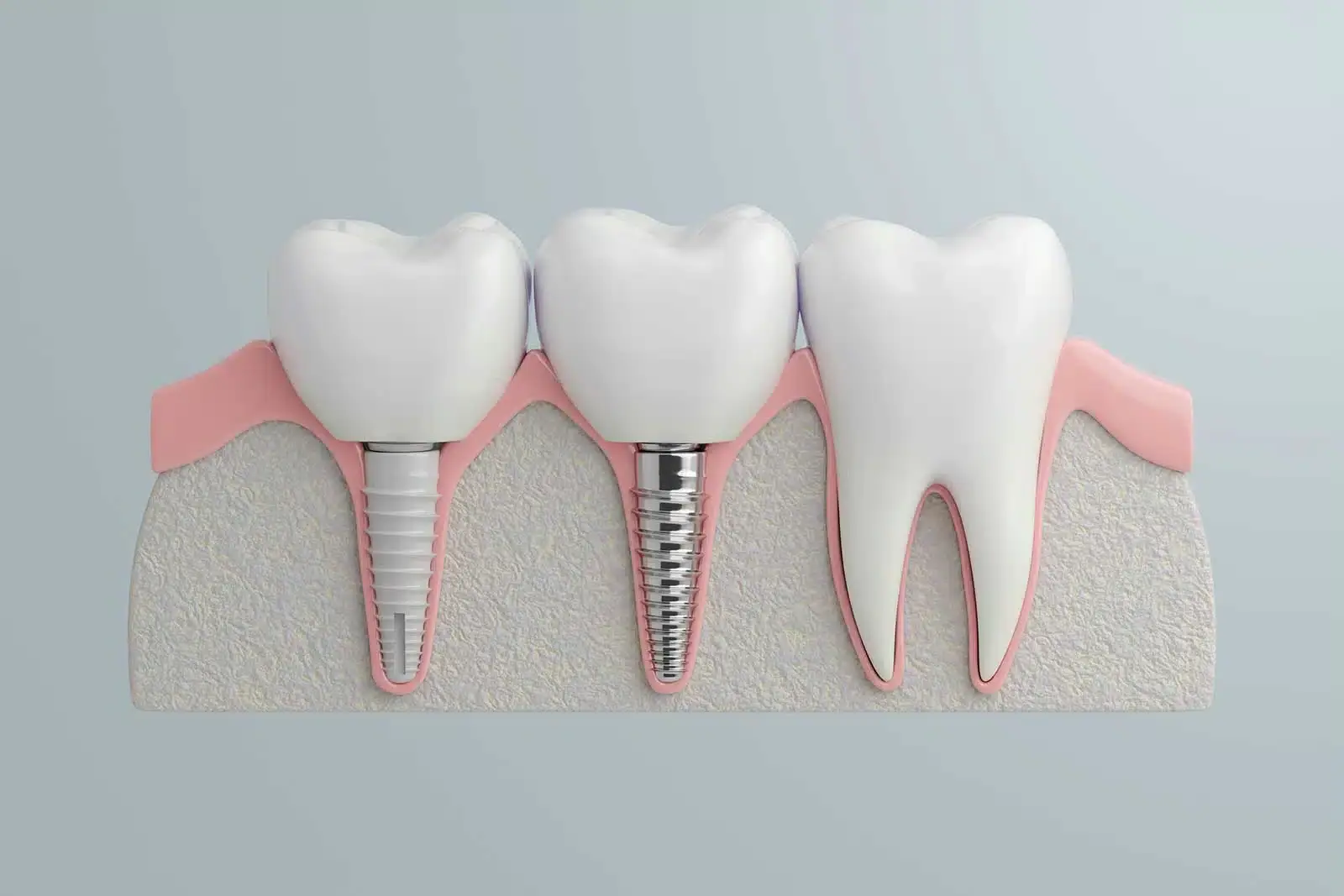

Dental implants in Palma de Mallorca are a safe and predictable solution to restore both the function and aesthetics of your smile. However, the success of the treatment doesn’t end at the clinic: proper post-operative care is essential for correct healing and successful osseointegration.
If you have questions about rest, diet, or when to return to your usual routine, it is essential to always follow the instructions of an experienced dentist in Palma de Mallorca specialized in implant dentistry.
How many days of rest are needed after surgery?
The first 48 hours
The body needs energy to begin the healing process and allow the implant to bond with the bone. During the first 24 to 48 hours, absolute rest at home is recommended, avoiding physical exercise, exertion, or sudden movements. This helps control inflammation and reduces the risk of bleeding.
The first week
From the second day onward, you may resume a calm routine, but you should maintain relative rest for approximately seven days. It is not advisable to practice sports, lift heavy objects, or perform intense activities that may increase blood pressure in the treated area.
Returning to work
For office-based jobs, many people can return within one or two days if they feel well. However, for physically demanding professions such as hospitality, construction, or sports, it is usually recommended to wait between five and seven days. The exact timeframe will depend on the number of implants placed, whether a bone graft was performed, and the patient’s overall health, especially if they smoke or take anticoagulants.
Diet after a dental implant: what to avoid and what to eat

During the first week, it is advisable to avoid any foods that may irritate the wound, increase inflammation, or compromise the stability of the implant.
Foods to avoid
It is important not to consume very hot foods such as soups or freshly made coffee, as heat promotes inflammation. Hard or crunchy foods such as nuts, toast, crusty bread, or biting into raw fruits should also be avoided. Sticky products like chewing gum or chewy candies may destabilize the treated area.
Fibrous meats, large sandwiches, and pizzas with hard crusts that require heavy chewing are not recommended. Very spicy or acidic foods may irritate the gums, and both alcohol and tobacco delay healing and significantly increase the risk of complications. In addition, straws should not be used, as the suction effect can affect the blood clot and surgical area.
Recommended foods: soft diet
Soft textures and cool or lukewarm temperatures are recommended. Yogurt, custards, puddings, and gelatin are suitable options. Vegetable purées, pumpkin cream, or mashed potatoes are also appropriate. Well-cooked and flaked white fish, scrambled eggs or French omelets, and well-cooked pasta or creamy rice are safe alternatives.
Ripe bananas and fruit compotes make eating easier without putting pressure on the implant. It is essential to chew on the opposite side of the treated area and avoid vigorous rinsing during the first 24 hours.
When can you return to eating hard foods?
The reintroduction of foods should be gradual. During the first seven to ten days, a strict soft diet should be maintained. Between day seven and day fifteen, if the wound is healing properly and the stitches are removed, slightly firmer foods such as sliced bread, very tender meats, or well-cooked vegetables may be introduced, always chewing on the opposite side.
From the third or fourth week onward, you may try foods with more consistency, although nuts, crusty bread, and thick sandwiches should still be avoided. Truly hard foods should only be consumed once the implant is fully osseointegrated and the final crown has been placed, generally after three to four months.
Signs that healing is progressing properly
Favorable healing is usually accompanied by mild or almost nonexistent pain that decreases each day and does not require strong painkillers. The gum should appear uniformly pink, without increasing inflammation, whitish areas, or signs of pus.
There should be no spontaneous bleeding, although slight spotting when brushing near the area may be normal at first. Persistent bad taste or signs of discharge should not occur. When chewing soft foods, the sensation should be one of firmness, without clicking or sharp pain, and the gum should not open or show gaps around the implant.
If you experience intense discomfort, swelling that worsens over time, or signs of infection, it is essential to visit a dentist in Palma de Mallorca as soon as possible for professional evaluation. Proper follow-up ensures that your implant heals correctly and allows you to enjoy a stable and functional smile for many years.