
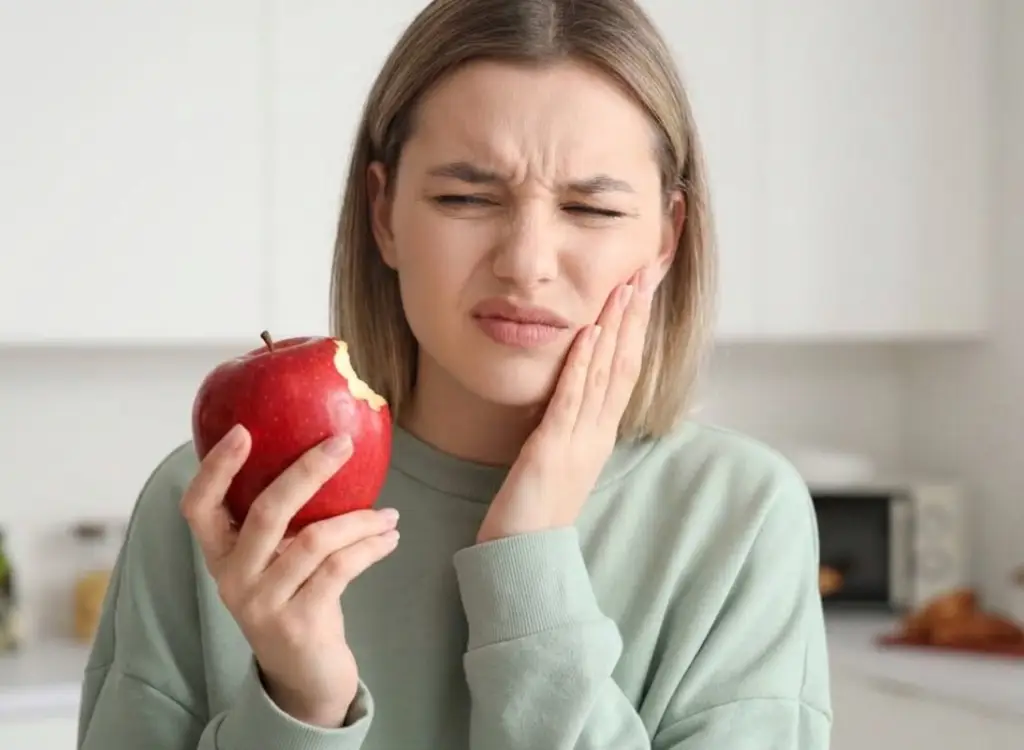

Does one of your teeth hurt only when you bite down, chew or put pressure on it? Tooth pain when biting is relatively common and can have several different causes, ranging from a filling that needs adjusting to tooth decay, an infection or a small crack in the tooth.
Even if the pain disappears as soon as you stop biting, it is worth finding out what is causing it. If you are looking for a Dentist in Palma de Mallorca because the discomfort has appeared suddenly, keeps returning whenever you eat or is becoming more noticeable, a dental examination can help identify the problem and determine whether treatment is needed.
Why does my tooth hurt when I bite?
Your teeth are exposed to considerable pressure when you chew. If there is a problem with the tooth itself, its root, the surrounding tissues or a previous dental restoration, that pressure may trigger pain.
One of the confusing things about this type of dental pain is that the tooth may feel completely normal for most of the day. You may only notice a sharp pain or uncomfortable sensation when you bite into something hard or put pressure on one particular area.
There are several possible reasons why this can happen.
Tooth decay that has progressed deeper into the tooth
Small cavities may initially cause no symptoms at all. As decay progresses into deeper layers of the tooth, sensitivity and pain can begin to appear.
For some patients, the first noticeable symptom is not constant toothache but pain when chewing or putting pressure on the tooth.
If the decay has not reached the dental pulp, it may be possible to remove the damaged tissue and restore the tooth. If the tissue inside the tooth has become severely affected, other treatments may need to be considered.
This is why it is not advisable to wait until a cavity causes severe or continuous pain before having the tooth examined.
Could the tooth be cracked?
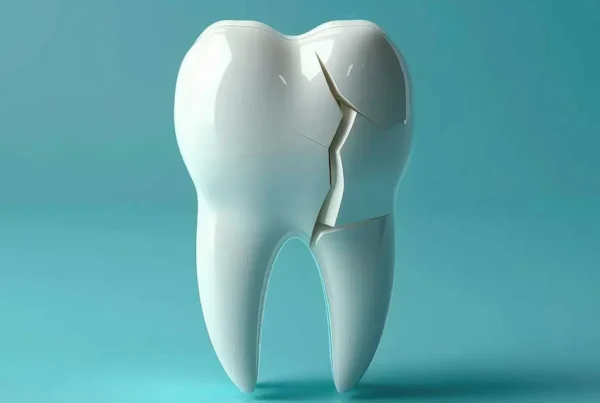
A small crack can be difficult to see, even when you look closely at the tooth in a mirror. The tooth may appear perfectly normal but produce a sudden, sharp pain when you bite certain foods.
Some people notice the pain particularly when they release their bite rather than while pressure is being applied.
Dental cracks can occur for different reasons, including:
- Biting very hard foods or objects.
- Bruxism or habitual teeth clenching.
- Large existing fillings.
- Dental trauma.
- Progressive weakening of the tooth.
- Dental wear.
Not all cracks are the same. Some involve only the more superficial parts of a tooth, while others may extend into deeper structures. The appropriate treatment therefore depends on the location and extent of the crack.
If this sounds similar to what you are experiencing, you can also read more about cracked tooth syndrome.
If a visible piece of the tooth has actually broken off, our guide on whether a broken tooth can be reattached explains what to do next.
Why does my filled tooth hurt when I bite?
Pain when biting can also occur in a tooth that has recently been filled.
Some temporary sensitivity may occur after dental treatment. However, when the discomfort is mainly triggered by closing your teeth together or chewing, one possibility is that the restoration needs to be checked because the affected tooth is receiving more pressure than it should.
That is not the only possible explanation. Pain following a filling may also be associated with a previously deep cavity, inflammation inside the tooth, a crack or another dental problem that needs assessment.
If the filling itself has come out, you can read our guide on what to do if a dental filling falls out.
Inflammation or infection around the root
Another possible reason for pain when biting is inflammation of the tissues surrounding the root of the tooth.
If the dental pulp becomes severely inflamed or infected, the problem can progress towards the area surrounding the root. In these situations, pressure from chewing can make the tooth particularly uncomfortable.
Other symptoms may include:
- Spontaneous toothache.
- Significant sensitivity to hot or cold.
- Throbbing pain.
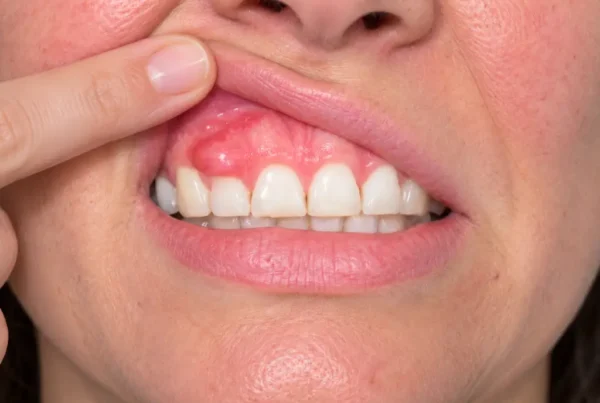
- Swelling of the gum.
- A small lump on the gum.
- An unpleasant taste in the mouth.
- Swelling around the affected area.
- Pain that makes it difficult to sleep.
Depending on the condition of the tooth, a root canal treatment may need to be considered to treat the inside of the tooth and try to preserve it.

Can a dental abscess cause pain when biting?
Yes. When a dental infection develops, an accumulation of pus can sometimes form around a tooth or the surrounding gum.
Along with pain when chewing, you may notice swelling, tenderness, pressure, an unpleasant taste or a small lump on the gum.
A suspected dental abscess should not simply be left in the hope that it will disappear. Even if the pain temporarily improves, the underlying cause of the infection may still be present and should be assessed by a dentist.
Gum problems can also make a tooth hurt when chewing
Not every tooth that hurts when you bite has a problem inside the tooth itself.
Periodontal conditions affect the tissues that surround and support the teeth. When these tissues are inflamed or the support around a tooth has been affected, the tooth may become uncomfortable when pressure is applied.
Other signs may include bleeding gums, swelling, gum recession, persistent bad breath or increased tooth mobility.
A dental examination can help distinguish between pain originating in the tooth and discomfort caused by the tissues surrounding it.
Bruxism and excessive pressure on the teeth
Clenching or grinding your teeth can place considerable pressure on individual teeth.
Many people grind their teeth while sleeping without being aware of it. Others may clench during the day when concentrating or under stress.
If certain teeth are repeatedly exposed to excessive force, they may become uncomfortable when chewing. You may also notice jaw muscle fatigue or tenderness.
Over time, bruxism can also contribute to tooth wear and small fractures, which is why the painful tooth itself is not always the only issue that needs to be assessed.
My tooth hurts when I bite but I cannot see a cavity
This is quite common. Not being able to see any decay in the mirror does not necessarily mean that there is nothing wrong with the tooth.
A cavity may be located between two teeth or underneath an existing restoration. There may also be a very small crack that is almost impossible to see or inflammation around the root.
For this reason, when a tooth repeatedly hurts when you bite, its appearance alone is not enough to determine what is causing the problem.
A dentist may use a clinical examination together with tests of the affected tooth and, when necessary, dental X-rays to help locate the source of the pain.
How can I tell which tooth is actually hurting?
It is not always easy to identify the exact tooth yourself. Dental pain can sometimes be felt across a wider area and may even seem to come from a neighbouring tooth.
It can be helpful to tell your dentist exactly when the discomfort occurs:
- When biting hard foods.
- When closing your teeth together.
- When releasing your bite.
- With cold food or drinks.
- With hot food or drinks.
- Spontaneously without chewing.
- During the night.
These details can help guide the examination, although they cannot provide a definitive diagnosis on their own.
Is it normal for the pain to stop when I stop biting?
It can happen. Certain cracks, excessive bite forces or problems in the tissues around the root may mainly cause discomfort when pressure is placed on the tooth.
This can be misleading because the tooth may feel completely normal between meals.
If the same tooth repeatedly hurts when you chew, however, it is worth having it checked. Identifying the cause while the problem is still limited may allow more conservative treatment options to be considered.
What can I do until I see a dentist?
While waiting for your appointment, try to reduce pressure on the affected tooth.
- Temporarily chew on the opposite side of your mouth.
- Avoid nuts, ice and particularly hard foods.
- Keep the area clean with normal oral hygiene.
- Do not try to manipulate the tooth with objects.
- Do not apply products directly to the tooth or gum unless advised by a healthcare professional.
If you need medication to manage the discomfort, your medical conditions, other medication and possible contraindications need to be taken into account, so follow the advice of an appropriate healthcare professional.
Antibiotics should not be taken without professional advice either. Not every toothache is caused by a bacterial infection, and antibiotics alone do not usually resolve the underlying dental problem responsible for the symptoms.
When should I see a dentist for pain when biting?
If a tooth repeatedly hurts when you chew, it is advisable to arrange a dental examination even if you can still eat normally and the tooth does not hurt at other times.
You should seek an assessment particularly if:
- The pain is becoming more intense.
- It continues for several days.
- The tooth starts hurting spontaneously.
- There is significant sensitivity to hot or cold.
- Part of the tooth breaks.
- Swelling develops.
- A lump appears on the gum.
- You notice pus or an unpleasant taste.
- The pain prevents you from sleeping.
- The tooth starts to feel loose.
When should I see an emergency dentist in Palma de Mallorca?
Not every episode of pain when biting requires immediate dental care. However, if the pain becomes intense, a significant part of the tooth has fractured, swelling is increasing or there are signs of infection, it is advisable to arrange a prompt dental assessment.
If you need an emergency dentist in Palma de Mallorca, Centro Urgencias Dentales Mallorca can assess sudden toothache, dental infections, fractures and other problems that should not be unnecessarily delayed.
If severe swelling spreads towards the neck or the area around the eye, or you develop difficulty breathing or swallowing, seek urgent medical attention.
How is a tooth that hurts when biting treated?
There is no single treatment for pain when biting because the pain is a symptom rather than a diagnosis.
Depending on the underlying cause, treatment may involve:
- Adjusting a restoration that is interfering with the bite.
- Removing decay and restoring the tooth.
- Repairing a fractured tooth.
- Protecting a weakened tooth with an appropriate restoration.
- Performing root canal treatment when the dental pulp is severely affected and treatment is indicated.
- Treating a dental infection.
- Treating a periodontal problem.
- Managing bruxism or excessive bite forces.
- Considering extraction when the tooth cannot be preserved.
The first step is therefore to determine why the tooth hurts when you bite before deciding which treatment is appropriate.
Tooth pain when biting in Palma: do not wait for it to become constant
A tooth that only hurts while chewing should not automatically be ignored simply because the discomfort disappears afterwards. Tooth decay, an old restoration, an infection, excessive bite pressure or a small crack can produce similar symptoms while requiring very different treatments.
If you are staying or living in Mallorca and repeatedly notice pain when biting or chewing, Centro Urgencias Dentales Mallorca can examine the tooth, investigate the cause of the discomfort and explain which treatment options may be appropriate for your case.
If the pain has appeared suddenly, is severe or is accompanied by swelling, you can contact the clinic for an assessment by an emergency dentist in Palma de Mallorca.