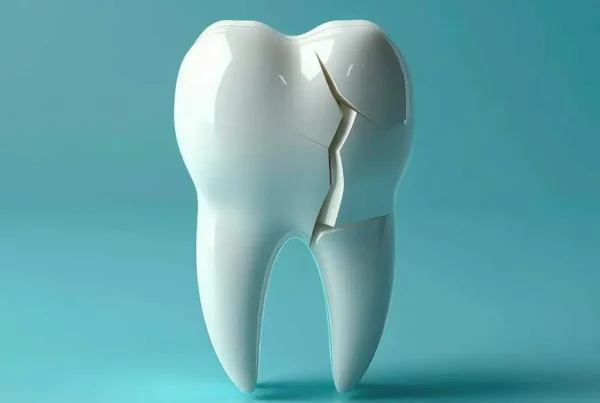

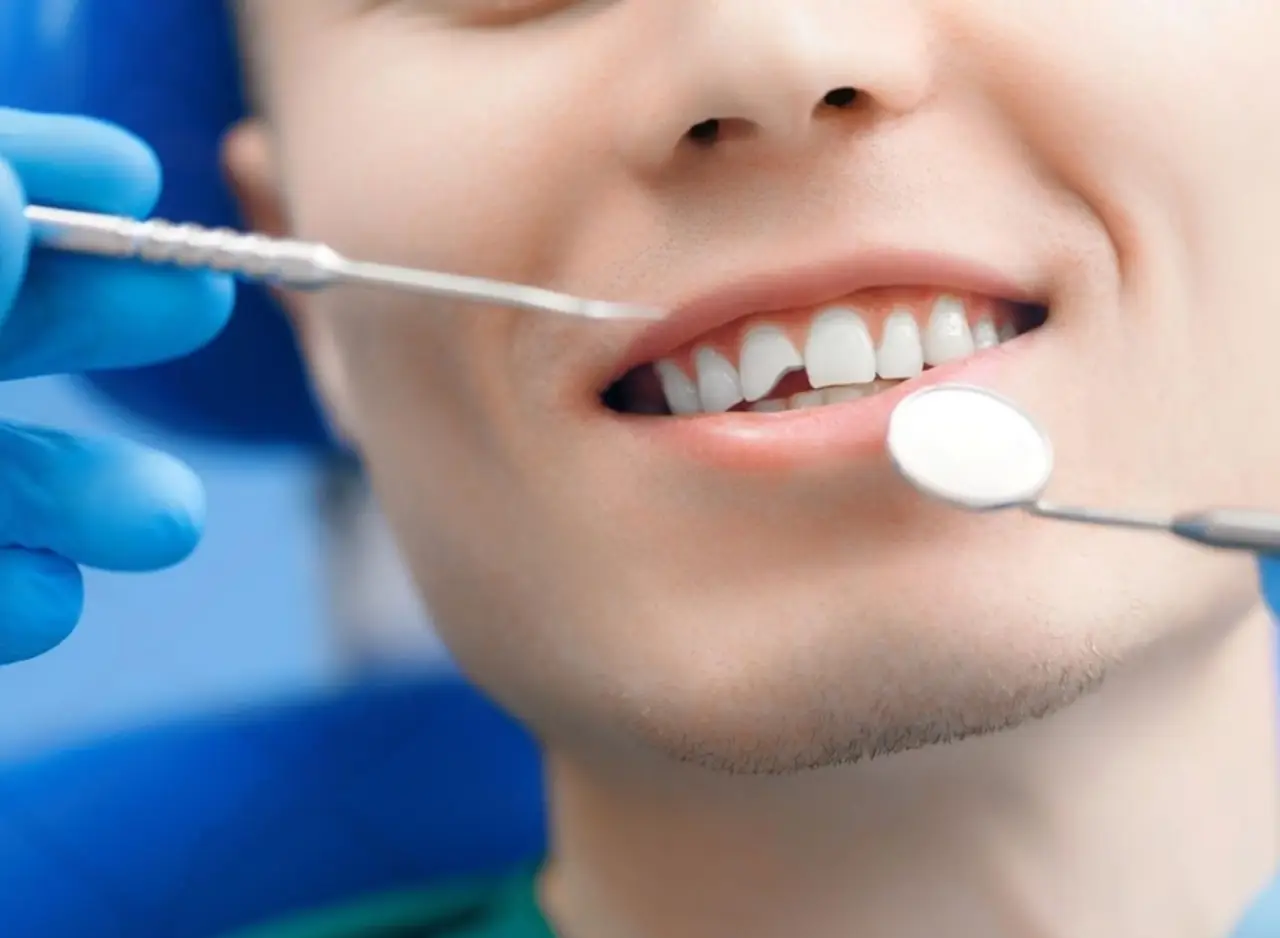

When a tooth breaks, it’s completely normal to feel worried and wonder whether it’s possible to “reattach” a broken tooth. In emergency situations, getting quickly to an emergency dentist in Palma de Mallorca is key to increasing the chances of saving the fragment.
In these cases, the best option is to visit a dentist in Palma de Mallorca as soon as possible, since both speed and proper preservation of the fragment can make a significant difference in the treatment outcome.
Can a broken tooth be reattached at the dental clinic?
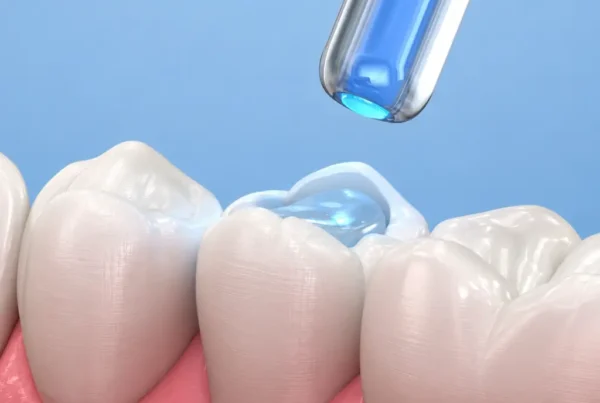
Sometimes it is possible to “reconnect” a broken tooth, but only in a dental clinic and only if certain conditions are met. You should never try to glue it at home with commercial adhesives, as they are unsafe and unsuitable for dental enamel. When a fragment breaks off and is properly preserved, the dentist can evaluate it and, if the type of fracture allows, reposition it using specific materials such as dental adhesives and composite. It is essential to seek treatment quickly to improve the chances of success.
To make this possible, the fragment must be kept in good condition. Storing it in saline solution, milk, or even water helps ensure it arrives at the clinic in the best possible state. In such cases, the ideal approach is to go to an emergency dentist in Palma de Mallorca so the professional can determine whether reattachment is feasible.
Other alternatives when the broken tooth cannot be reattached
If the fragment cannot be used, there are other solutions that restore both function and aesthetics to the affected tooth. Common options include composite resin reconstructions, veneers, or—in cases of major fractures—a dental crown. When the fracture reaches the pulp or nerve, a root canal treatment may be necessary before completing the final restoration.

What you should never do at home if a tooth breaks
It’s important to avoid certain mistakes that could worsen the situation. You should not use superglue or any type of adhesive, since they can be toxic, won’t bond properly to the tooth, and may damage the enamel or gums. You should also avoid leaving the broken tooth untreated, as this increases the risk of infection, sensitivity, and even tooth loss. When in doubt, it’s always best to consult a professional immediately.
How to properly preserve the fragment before reaching the dentist
The fragment must be kept moist, clean, and protected. To do this, pick it up by the dry part and rinse it gently with water or saline—without scrubbing or using soap. Place it in milk, saline solution, or even saliva, either in a container or between the cheek and gum if there’s no risk of swallowing it. It is crucial to avoid leaving the fragment exposed to the air or wrapped in dry paper, as this causes dehydration and reduces its viability. Disinfectants such as alcohol, chlorine, or hydrogen peroxide should also be avoided.
How long can a dental fragment remain viable?
Time is a critical factor. If the fragment is exposed to air, ideally no more than 30–60 minutes should pass. However, if it is kept in an appropriate medium such as cold milk, saline, or saliva, it may remain usable for several hours—sometimes up to 4–6 hours. Still, “viable” doesn’t always mean it can be successfully reattached; it simply indicates better chances that the dental material is not fully damaged. Even if more time has passed, it is always worth bringing the fragment to the clinic for professional evaluation.
For this reason, contacting a specialist as soon as possible is essential. If you need immediate care, you can visit a dentist in Palma de Mallorca, where they can advise you on the real treatment options based on the time elapsed and the condition of the fragment.