

The teeth whitening in Palma de Mallorca treatment is highly sought after by those looking for a brighter smile, but it is also one of the procedures with the highest risks when using homemade methods or products without professional supervision.
If you need safe guidance, a dentist in Palma de Mallorca can help you choose the right treatment and avoid irreversible damage.
The most dangerous home treatments for whitening teeth
“Miracle” methods and homemade remedies are everywhere online, but they are particularly risky because they are used without control over concentration, exposure time, or prior diagnosis. This can erode enamel, irritate the gums, increase sensitivity, and seriously compromise oral health.
Among the most dangerous are baking soda, lemon, vinegar, salt, or activated charcoal — all of which are abrasive or acidic and wear down dental structure. Natural powders and pastes purchased online without health regulation can also aggressively polish the teeth, making them more porous and prone to staining.
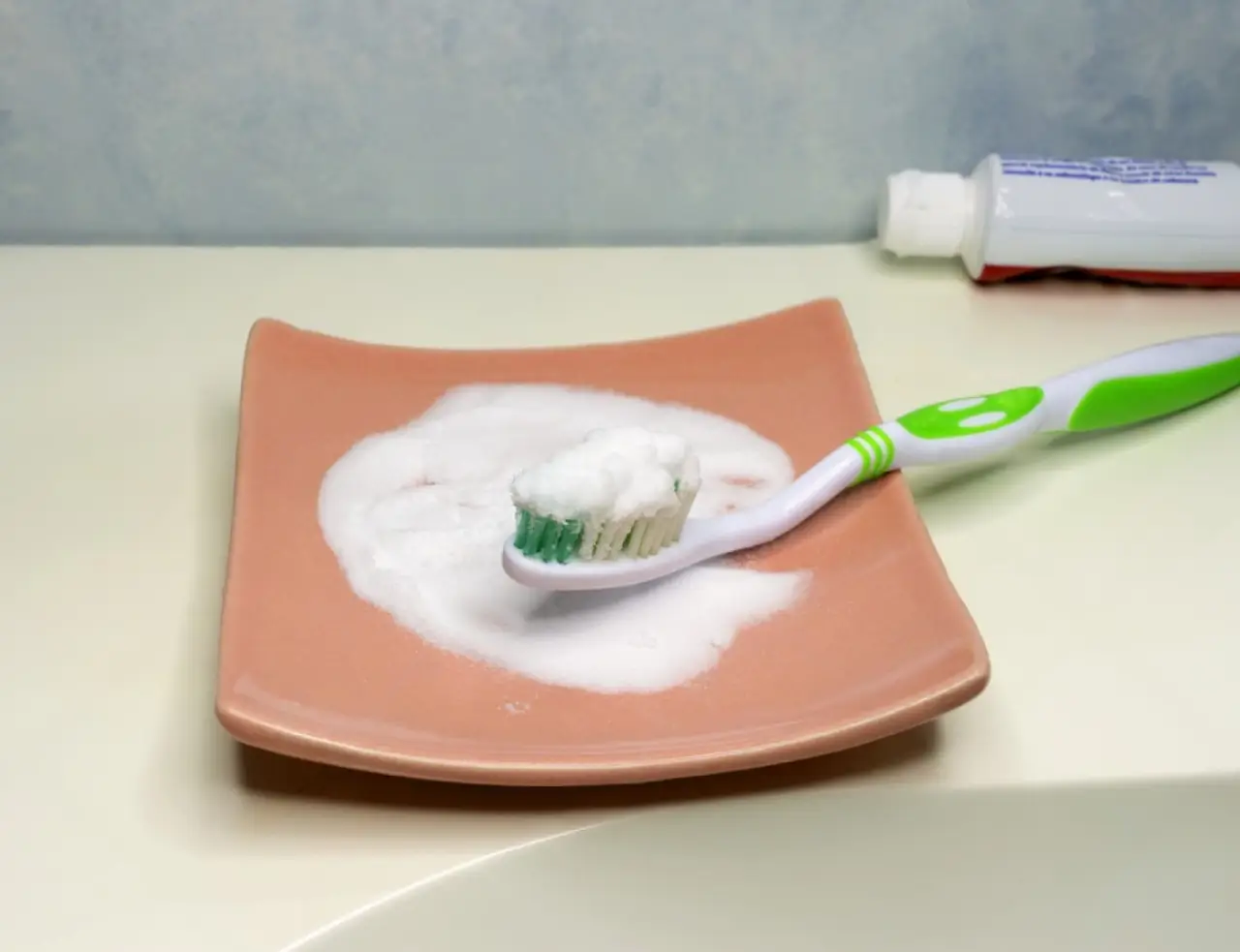
The extreme risk of baking soda with lemon
One of the most harmful homemade methods is the mixture of baking soda with lemon. Although promoted as a quick whitening solution, it does not provide real or lasting results and does cause serious consequences, which is why it is strongly discouraged by dentists and scientific organizations.
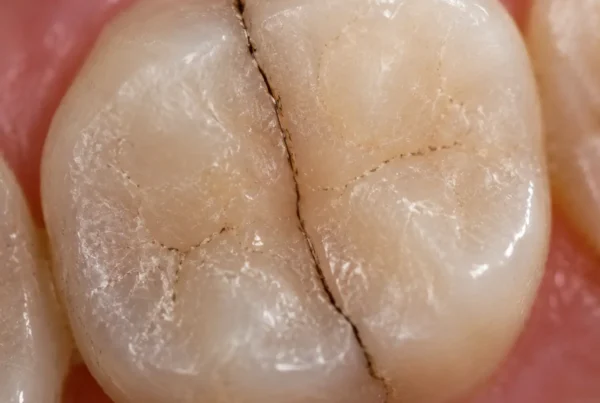
Irreversible enamel damage: The citric acid in lemon gradually dissolves enamel, exposing the dentin, which is more yellow and sensitive. Baking soda, being abrasive, scratches and thins the enamel with each application. This loss is irreversible because enamel does not regenerate.
Increased sensitivity and cavity risk: As enamel is lost, teeth react with pain to cold, heat, or sweet foods. Continued use of this mixture can lead to permanent sensitivity. Weakened enamel also facilitates cavities and microfractures.
Damage to gums and soft tissues: Repeated contact with lemon irritates and inflames the gums, potentially causing small chemical burns. Rubbing baking soda near the gumline can cause bleeding and inflammation, increasing the risk of periodontal problems.
Misleading results: The initial “white” appearance is only due to the aggressive removal of surface stains. Over time, teeth may appear more yellow and dull because of enamel loss.

Risks of whitening kits and peroxide-based products
The active ingredient in most whitening products is hydrogen peroxide or carbamide peroxide. The problem is not the ingredient itself, but the concentration, exposure time, and lack of professional supervision.
Gels or strips that exceed legal limits can cause chemical burns, enamel damage, and severe sensitivity. Even low-concentration kits, if used for too long, increase enamel porosity and dental sensitivity.
Careless application can also cause irritation to gums and lips if the gel comes into contact with soft tissues.
LED light and treatments in aesthetic centers without dental supervision
LED light does not whiten teeth on its own; it merely accelerates the action of the whitening gel. Therefore, the risks depend on the type of product used and the exposure time. In aesthetic centers without a dentist, it is common to use overly strong gels or provide inadequate gum protection.
Even in a dental clinic, temporary side effects such as cold sensitivity or gum irritation may occur, although they tend to disappear when the treatment is properly planned and monitored.
Warning signs and safe alternatives
It is advisable to stop any treatment and visit a dentist if symptoms such as intense pain lasting more than 48–72 hours, whitish or ulcerated gums, or teeth turning grayish or opaque appear. It is important to follow the instructions of your specialist in teeth whitening in Palma de Mallorca.
Before undergoing whitening, a full dental check-up is essential to rule out cavities, fractures, or gum recession. The professional can then recommend the most suitable option: in-office whitening, dentist-supervised trays for home use, or, in specific cases, alternatives like veneers or crowns.
If you have already used baking soda and lemon and notice sensitivity or discomfort, it is important to stop immediately and consult a specialist. You can also use low-abrasion toothpaste with approved whitening agents as support, but always within a supervised treatment plan.
For a personalized diagnosis and to avoid risks, schedule an appointment with a dentist in Palma de Mallorca who specializes in safe whitening treatments.