


Immediate care with an emergency dentist in Palma de Mallorca
When you experience severe dental pain, sudden swelling, or trauma, receiving prompt and specialized care is essential. Having an emergency dentist in Palma de Mallorca ensures effective intervention focused directly on the oral problem.
If you need a dentist in Palma de Mallorca, it’s important to understand which situations require a hospital visit and which should be handled by an on-call dentist to avoid delays and receive the most appropriate treatment.
Key differences between hospital emergency services and an emergency dentist
Many people hesitate between going to public healthcare emergency services or visiting a private emergency dentist. Both options are valid, but they are intended for different situations. Hospitals focus on problems that pose a risk to overall health, while an emergency dentist directly treats the dental source of the pain, offering specific treatments that hospitals cannot perform.

Hospital emergencies (Public Healthcare): when to go
Public healthcare emergency services intervene when there is a general health risk. You should go to the hospital if you experience:
- Severe swelling in the face or neck that makes it difficult to breathe, swallow, or open your mouth.
- High fever, dizziness, general malaise, or fainting associated with dental pain.
- Bleeding that does not stop after applying pressure for 10–15 minutes.
- Severe trauma to the face or jaw with a possible fracture.
- Jaw dislocation or deep wounds requiring stitches.
- Serious infections that could compromise the airways.
In these situations, hospitals stabilize the patient (pain control, antibiotics, tests) but rarely perform definitive dental treatment, as they do not have specialized dental equipment for procedures such as root canals, restorations, or reconstructive treatments.
Emergency dentist: direct and effective care
When there is no life-threatening risk, it is better to visit an emergency dentist, who can solve the problem on the spot. The most common cases include:
- Severe toothache that does not improve with painkillers.
- Abscesses or swellings without high fever or breathing difficulties.
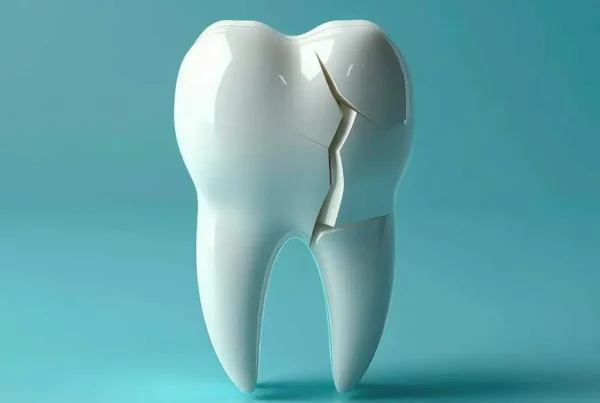
- Broken teeth, lost fillings, veneers, or crowns.
- Knocked-out teeth (avulsion), ideally reimplanted within one hour.
- Inflammation or discomfort from wisdom teeth without systemic complications.
- Oral wounds or bleeding that stops with pressure.
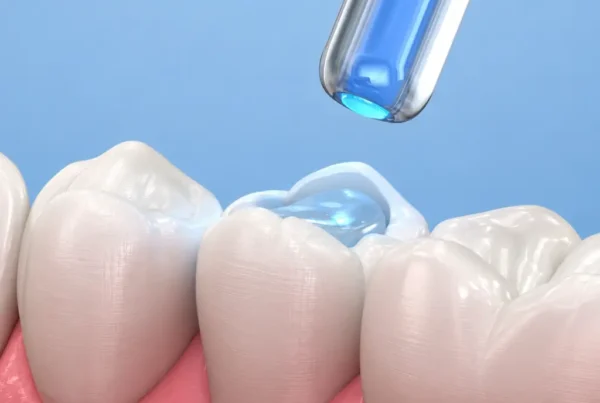
An emergency dentist has the necessary tools to treat the real cause of the issue—something hospitals cannot do—such as abscess drainage, emergency root canals, reconstructions, intraoral stitches, dental reimplantation, and more.
What public healthcare covers in dental emergencies
Public Healthcare offers limited coverage to stabilize severe dental issues but does not provide definitive treatment. What it does cover includes:
- Severe dental pain requiring immediate medication.
- Significant dental infections or abscesses that compromise general health.
- Simple tooth extractions, including problematic wisdom teeth.
- Care for serious trauma affecting the patient’s overall health.
However, it does not include treatments such as root canals, dentures, implants, restorations, orthodontics, or cleanings—except for specific cases involving minors or vulnerable groups. Therefore, even if hospital emergency services can assist initially, you will often need to visit a private dentist for definitive treatment.
When to choose the hospital and when to choose an emergency dentist?
The rule is clear: if there is a risk to life or general health, go to the hospital. If the issue is strictly dental and does not affect vital functions, visit an emergency dentist. This allows for fast, specialized, definitive treatment without long waits or unnecessary referrals.
For quick, specialized attention without delays—especially in cases of severe pain or broken teeth—you can rely on a dentist in Palma de Mallorca experienced in dental emergencies.