

Crossbite is a fairly common dental alteration that can appear in both children and adults. Although in many cases it goes unnoticed at first, if not corrected in time it can affect chewing, cause discomfort, and even alter facial aesthetics.
That’s why visiting a dentist in Palma de Mallorca at the first sign of suspicion is essential to detect the problem early and apply the appropriate Crossbite Treatment in Palma de Mallorca.
What is a crossbite?
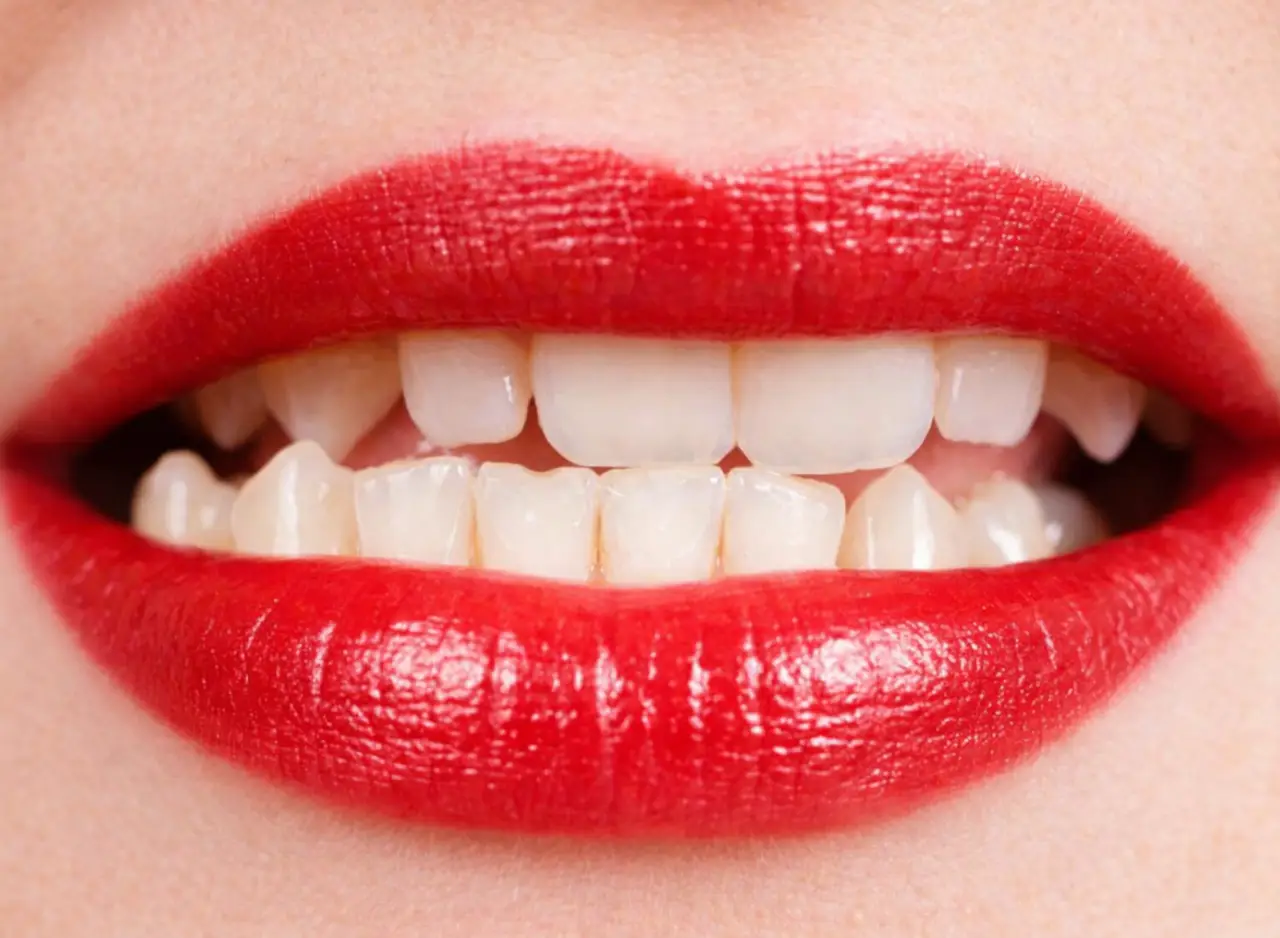
We talk about a crossbite when the upper teeth do not sit in front of the lower teeth when closing the mouth, as should naturally occur. Instead, one or more upper teeth remain inside the lower teeth.
This problem can affect different areas of the mouth (front, back, or side) and vary in severity. Although it is usually diagnosed at an early age, it is also common to find cases in adults who were not treated in time.

Why does a crossbite occur?
The origin of a crossbite usually lies in the development of the jawbones and the position of the teeth during childhood.
Genetic influence
- Upper jaw narrower than normal
- Jaw with excessive growth
Childhood habits
- Prolonged thumb sucking
- Extended use of pacifier or bottle
- Incorrect tongue placement
- Mouth breathing instead of nose breathing
Problems with baby teeth
When temporary teeth do not fall out at the right time, they can hinder the eruption of permanent teeth and cause misalignment.
Types of crossbite
According to the affected area
- Anterior: affects the front teeth
- Posterior: affects molars and premolars
- Unilateral: only on one side of the mouth
- Bilateral: on both sides
According to origin
- Dental: caused by poor teeth positioning
- Skeletal: related to bone development
- Mixed: combination of both
Signs to detect a crossbite
Recognizing symptoms early can prevent major complications. Common signs include:
- Uneven wear on the teeth
- Discomfort when chewing or closing the mouth
- Clicking or popping sounds in the jaw
- Pain in the jaw area or headaches
- Sensation of pressure or tension in the jaw
At the first sign of any of these, it is highly recommended to visit a dentist in Palma de Mallorca for a full check-up.
What problems can it cause?
- Progressive dental misalignment
- Increased difficulty maintaining proper oral hygiene
- Higher risk of cavities and gum disease
- Problems in the temporomandibular joint (TMJ)
- Difficulty chewing properly
- Alterations in facial harmony
When is it best to correct it?
Crossbite should be treated as early as possible to avoid more complex treatments in the future.
- In children: the ideal time, as bones are still developing
- In teenagers: good results can still be achieved
- In adults: also treatable, though may require more advanced procedures
Early diagnosis by a dentist in Palma de Mallorca makes intervention simpler and more effective with Crossbite Treatment in Palma de Mallorca.
Treatment options
Orthodontics for dental cases
- Braces (metallic or aesthetic)
- Invisible orthodontics with aligners
Treatments for skeletal problems
In children and adolescents
- Interceptive orthodontics
- Palatal expansion devices
In adults
- Orthodontics combined with orthognathic surgery in severe cases
Complementary treatments
Physical therapy can help relieve muscle discomfort and improve jaw function.
How long does the treatment take?
- Children: from a few months up to 1–2 years
- Adults and adolescents: approximately 18–24 months
- Complex cases: up to 3 years
Conclusion
Crossbite is a condition that can seriously affect oral health if not treated on time. Fortunately, today there are multiple effective solutions adapted to each age and need.
If you have doubts or suspect you may have this problem, visiting a dentist in Palma de Mallorca is the first step to achieving a healthy, functional, and aesthetic smile through Crossbite Treatment in Palma de Mallorca.