
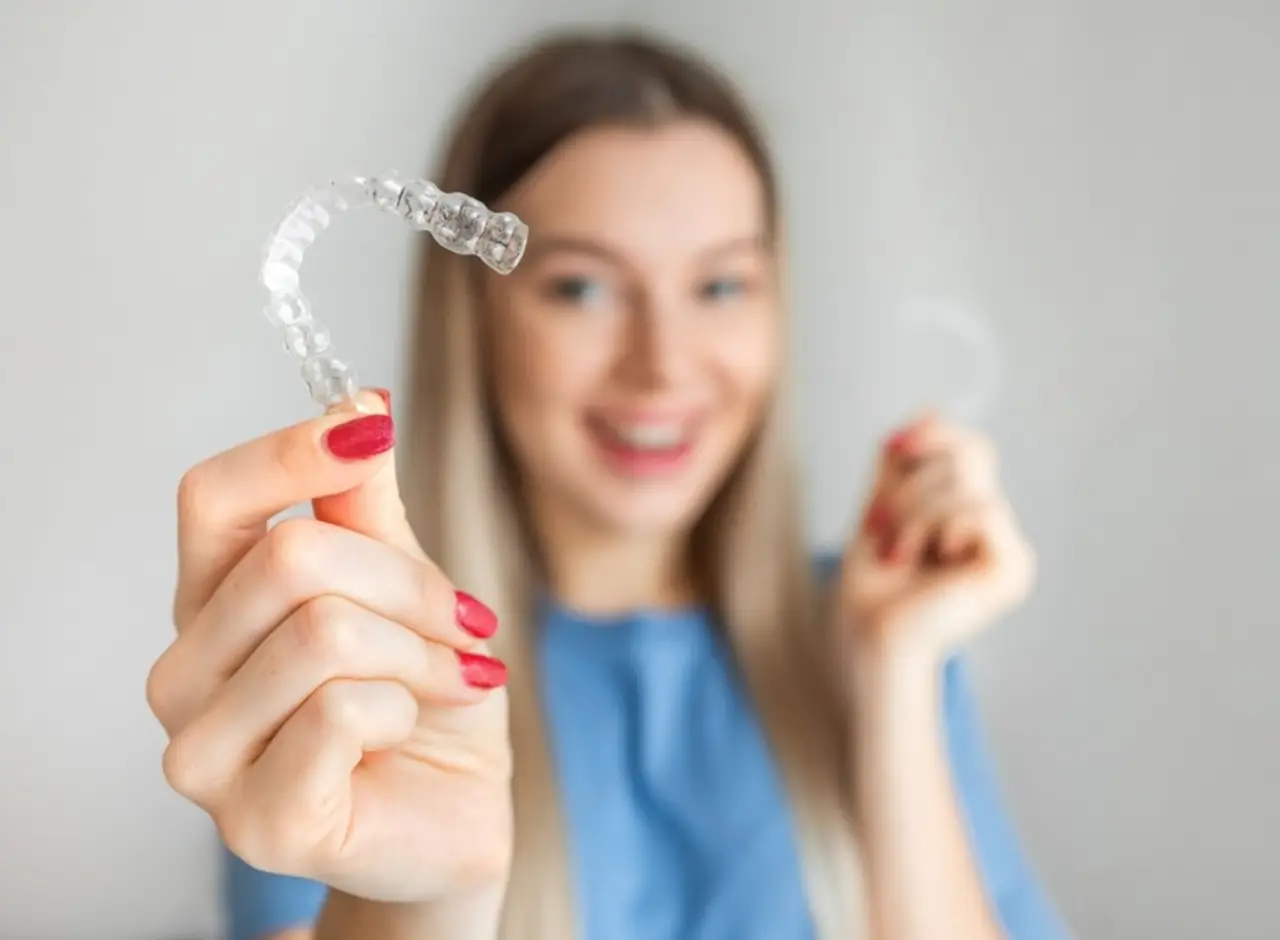

One of the most common questions among patients as dentist in Palma de Mallorca is about the suitability of invisible orthodontic treatment, such as Invisalign. While this technique has gained popularity for its effectiveness in dental correction, it is not always the most suitable option. Here, we explore some situations where considering alternatives might be better and the importance of consulting professionals if you have doubts.
Severe Jaw or Dental Malformations
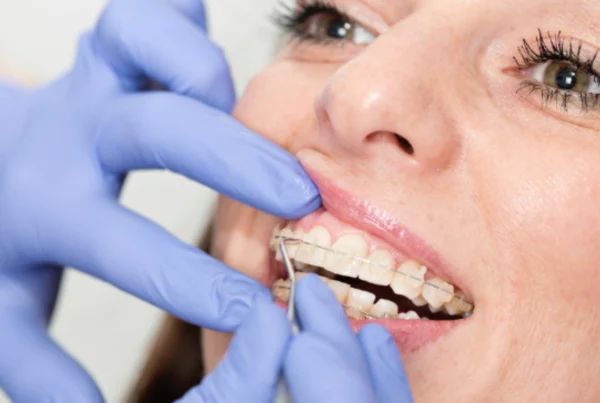
When conditions such as crossbite or open bite occur, where the teeth do not align correctly when closing the mouth, Invisalign may not be effective. These dental malformations can lead to bite problems, dental wear, or even jaw discomfort. In such cases, treatment with traditional brackets and arches is usually necessary, as they allow for a more precise adjustment of the teeth and jaw.
Need to Move Large Numbers of Teeth or Correct Severe Deformities
If multiple teeth need to be moved at once or significant deformities need correction, Invisalign may not be the best option. Traditional brackets and arches apply the necessary force more efficiently to achieve proper alignment. For example, in situations where there are notable disproportions in the dentition, these devices are more capable of providing the desired results.
Highly Precise Adjustments, Such as the Position of an Individual Tooth
There are cases where precise adjustments in the position of a single tooth or a small group of teeth are necessary to achieve a correct bite or ideal aesthetics. For these cases, brackets and arches offer a superior level of control that may be essential to achieving the expected results. Sometimes, it is also necessary to complement the treatment with anchors or other devices, something that is more complicated with Invisalign.
Thumb-Sucking Issues or Harmful Oral Habits
Patients with habits such as thumb-sucking or nail-biting may compromise the effectiveness of Invisalign’s clear aligners. These habits can cause damage to the aligners, affecting their functionality and prolonging the treatment. In such circumstances, opting for fixed brackets can be a more robust and effective solution.
Facial Growth Problems
Some patients may face complications related to facial growth, such as a misaligned jaw or an abnormal profile. These situations require more complex orthodontic treatment, and the use of traditional brackets or specialized devices may be necessary. These treatments are essential for correcting facial growth and improving both dental function and aesthetics.
Conclusion
Invisible orthodontics in Palma de Mallorca, such as Invisalign, is a highly effective option for correcting dental alignment issues, although it is not the best choice for everyone. For those with more complex orthodontic problems, such as severe malocclusions or facial growth irregularities, other treatment modalities may be more suitable. Therefore, it is essential to seek professional advice to determine the most appropriate option for each specific case and receive a comprehensive evaluation of the available alternatives.