


If you’re looking for a definitive solution to replace missing teeth, dental implants in Palma de Mallorca are the most advanced and reliable option. At our dental clinic in Palma de Mallorca, we have a dentist in Palma who specializes in implantology and will help you choose the most suitable implant based on your individual case. Below, we explain the three main types of implants, their characteristics, benefits, and who they are intended for.
1. Endosteal Implants: the most common option
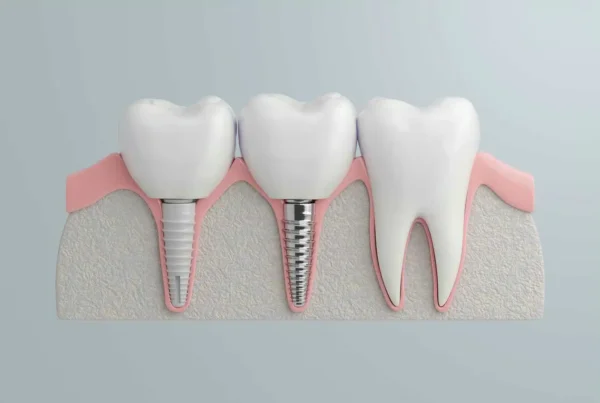
Endosteal implants are the most widely used due to their high success rate and versatility.
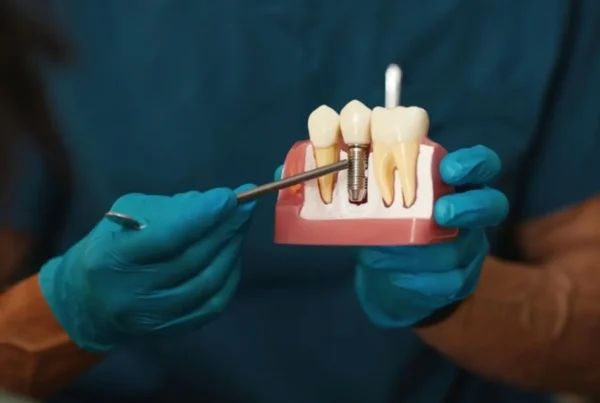
- What they are: small titanium screws placed directly into the jawbone, acting as artificial roots.
- Process: radiographic evaluation, guided surgery, osseointegration period (3–6 months), and placement of the crown or prosthesis.
- Advantages: long-lasting, helps preserve bone structure, and allows replacement of one or more teeth.
- Ideal for: patients with adequate bone volume who want a fixed, aesthetic, and long-term solution.

2. Subperiosteal Implants: ideal when bone is insufficient
These implants are recommended for patients with severe bone loss who cannot—or prefer not to—undergo bone grafting procedures.
- What they are: custom-made metal frameworks that rest on top of the jawbone, beneath the gum, without drilling into the bone.
- Advantages: less invasive than grafting, faster recovery, and in many cases, the prosthesis can be placed the same day.
- Ideal for: patients with severe bone atrophy, complex anatomies, or systemic conditions that rule out major grafting procedures.
3. Zygomatic Implants: an advanced solution for the upper jaw
When bone resorption in the upper jaw is extreme, zygomatic implants are the best alternative.
- What they are: extra-long titanium screws (30–55 mm) anchored in the zygomatic (cheek) bone, which is denser and more stable than a resorbed maxilla.
- Advantages: avoids the need for complex bone grafting, allows immediate fixed prosthesis, and provides long-term stability.
- Ideal for: patients with severe upper jaw atrophy where conventional implants are not feasible.
Quick Comparison
| Implant Type | Bone Requirement | Surgery Level | Immediate Prosthesis | Main Indications |
|---|---|---|---|---|
| Endosteal | Moderate–High | Lower | Possible (in some cases) | Standard tooth loss with good bone quality |
| Subperiosteal | Low | Moderate | Frequent | Bone atrophy without grafting |
| Zygomatic | Minimal in maxilla | High (requires expert surgeon) | Very common | Severe upper jaw bone loss |
Which option is right for you?
Choosing the best implant depends on your bone volume and quality, aesthetic expectations, and overall health. Our team will carry out a detailed 3D analysis and design a personalized treatment plan.
Usual steps at our clinic
- Clinical exam and CBCT scan.
- Digital surgical planning.
- Implant placement under local anesthesia or sedation if desired.
- Placement of a temporary prosthesis (when possible) and osseointegration monitoring.
- Final prosthesis placement and scheduled check-ups.
Conclusion: Thanks to modern implantology, there are solutions for nearly every scenario—from simple cases to extreme bone loss. If you’re seeking dental implants in Palma de Mallorca, book your appointment at our dental clinic in Palma de Mallorca. Our dentist in Palma de Mallorca specialized in implants will guide you step by step toward a stable and aesthetic smile.