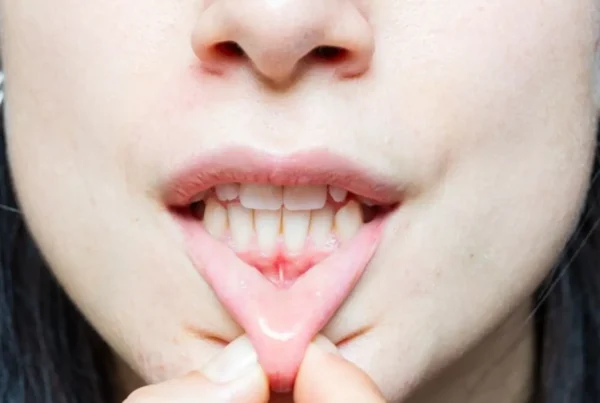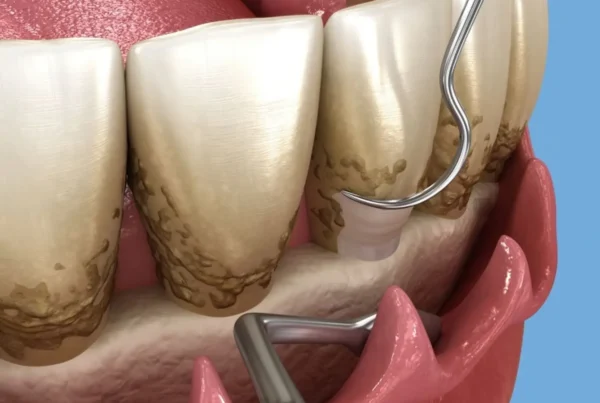

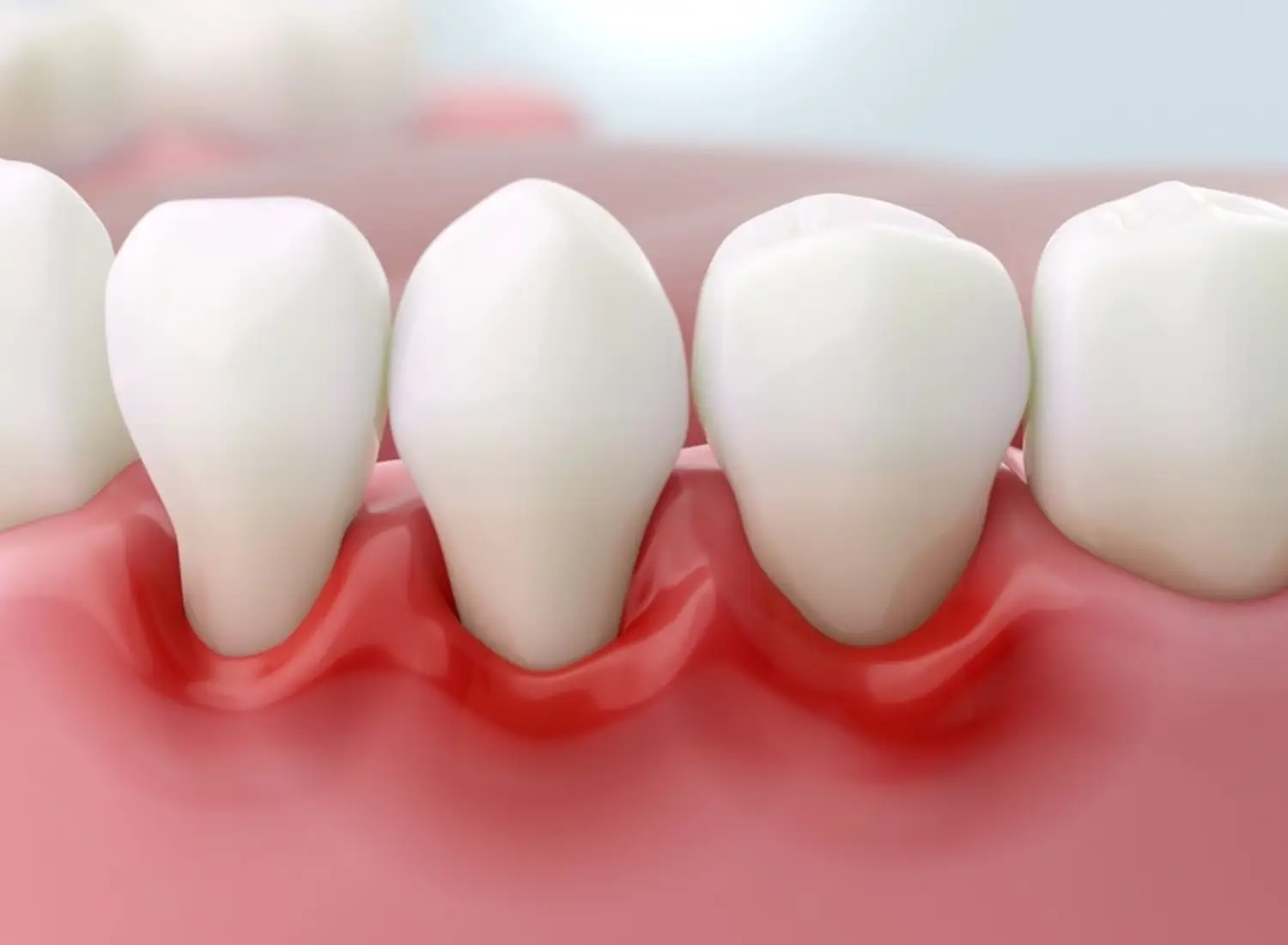

Aggressive periodontitis, previously referred to as aggressive pyorrhea, is a rare but highly destructive gum disease that affects the soft tissues and bone supporting the teeth. Unlike more common forms of periodontal disease, this condition can lead to rapid tooth loss—even in young individuals who maintain good oral hygiene and have no underlying health issues. That’s why it’s essential for any warning signs to be assessed promptly by a periodontist in Palma de Mallorca, as only a gum specialist can provide an accurate diagnosis and timely treatment.
At our dental clinic, where we have a team of experienced dentists in Palma de Mallorca, it’s not uncommon for us to see patients with advanced symptoms of this disease who have never received a prior diagnosis.
In this article, we explain in detail how aggressive periodontitis develops, what its main symptoms are, why it can appear in young and otherwise healthy individuals, and which treatment options are available to control its progression. If you notice gum bleeding, persistent inflammation, or loose teeth, we strongly recommend seeing a periodontal specialist as soon as possible. Acting early is key to avoiding more serious consequences.

How to recognize aggressive periodontitis
Unlike chronic periodontitis—more common in older adults and with slower progression—this aggressive form mainly affects teenagers and adults under 30. It often develops in individuals with little visible plaque, which can delay early detection.
Key clinical features
- Rapid attachment loss and bone destruction progressing within months.
- Deep periodontal pockets, often greater than 6 mm.
- Swollen, bleeding gums during brushing or chewing, and localized pain.
- Early involvement of first molars and incisors.
- Strong genetic predisposition and frequent family history.
- High levels of Aggregatibacter actinomycetemcomitans and Porphyromonas gingivalis.
- Impaired immune response with leukocyte chemotaxis dysfunction.
Most common warning signs
- Red, swollen gums with or without spontaneous bleeding.
- Rapid gum recession and bone loss.
- Sudden tooth mobility.
- Formation of deep periodontal pockets.
- Persistent bad breath (halitosis).
- Appearance of spaces or “black triangles” between the teeth.
- Pain when chewing, and in advanced stages, pus discharge.
Clinical case examples
- 9-year-old patient: severe gum inflammation with profuse bleeding despite acceptable oral hygiene. Treated with scaling, antibiotics, and regular follow-up every three months.
- 32-year-old woman: had not received periodontal care for 15 years; presented with extensive bone loss. Stabilized with surgical therapy and intensive maintenance program.
- 28-year-old man: consulted due to loose teeth. Probing revealed 7–8 mm pockets and generalized bone destruction. Underwent full-mouth disinfection and close monitoring.
Diagnosis and treatment approach
Early diagnosis is crucial to halt disease progression and preserve natural teeth. The treatment protocol usually includes:
- Deep scaling and root planing.
- Systemic antibiotic therapy targeting specific pathogens.
- Periodontal regenerative surgery in severe bone defect cases.
- Strict periodontal maintenance program with periodic check-ups.
In patients with genetic predisposition or immune system alterations, treatment response may vary, making prevention and ongoing monitoring even more essential.
Conclusion
Although uncommon, aggressive periodontitis is one of the most severe forms of gum disease. Its appearance in young individuals makes it a significant clinical challenge that requires the expertise of a specialist. If you or someone you know is experiencing symptoms such as bleeding gums, inflammation, or tooth mobility at a young age, it is vital to consult a periodontist without delay for a proper diagnosis and personalized treatment plan.