


Night-time dental pain is one of the most common reasons why patients look for an emergency dentist in Palma de Mallorca. Although it is not “normal” for a healthy tooth to hurt, it is very common for dental discomfort to feel much worse at night, even preventing proper rest and creating a real sense of urgency.
If you need an assessment from a dentist in Palma de Mallorca, it is important to first understand why dental pain usually gets worse when you lie down.
Why dental pain feels worse at night
When you lie down to sleep, blood flow to the head increases. This rise in pressure in the inflamed area of the tooth or gums causes the pain to intensify, often with a clear throbbing sensation.
At night, saliva production also decreases, which can worsen irritation of active cavities or inflamed gums. In addition, with fewer distractions, the mind focuses more on the discomfort, making the pain feel more intense.
Most common causes behind night-time toothache

Deep cavities and dental infections
Tooth decay is the number one cause of toothache. When it progresses and reaches the inner layers of the tooth, it can cause strong, throbbing, continuous pain that often worsens at night.
If left untreated, cavities can develop into an infection or dental abscess, making root canal treatment or even tooth extraction necessary. In these cases, seeing an emergency dentist in Palma de Mallorca as soon as possible is key to avoiding complications.
Dental trauma and fractures
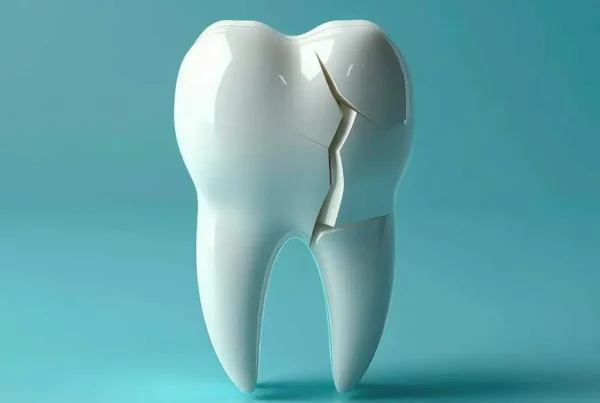
Blows, excessive pressure, or small cracks in the teeth can go unnoticed during the day and show up as pain when resting. Many patients are unaware they have a cracked tooth until night-time pain appears.
Night-time bruxism
Clenching or grinding your teeth while sleeping overloads both the teeth and the jaw muscles. Bruxism can cause pain when going to bed, upon waking, or during the night, as well as increased tooth sensitivity.
Lost or broken fillings
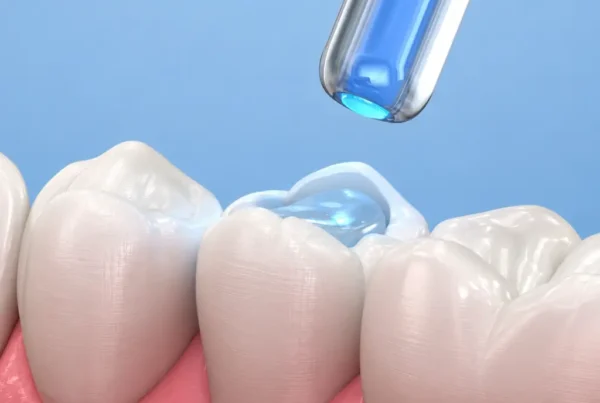
Dental fillings can break or fall out over time due to chewing or material wear. When this happens, the tooth’s nerves become exposed, causing intense pain that often worsens when lying down.
Gum inflammation and dental abscesses
Poor oral hygiene promotes gum inflammation and the progression of periodontal disease. Without proper brushing and daily flossing, infections may develop, causing persistent pain, especially at night.
Wisdom teeth
Wisdom teeth can cause discomfort at any age. The pain may be related to movement, partial eruption, or pressure on nearby teeth, even if they have already come through.
How to quickly relieve night-time dental pain at home
There are several measures you can take at home to relieve pain quickly while you arrange a dental appointment. These are only temporary solutions and do not replace professional treatment.
Quick “emergency” steps before going to bed
Take a painkiller you know you tolerate well, such as ibuprofen or paracetamol, always following the dosage instructions on the leaflet or your doctor’s advice. Never take more than recommended hoping it will work better.
Sleep with your head slightly elevated, using two pillows if possible, to reduce blood pressure in the affected tooth and lessen the throbbing sensation.
Rinses and habits that really help
Rinse with warm salt water by dissolving half a teaspoon of salt in a glass of water. Swish for about 30 seconds and spit it out; this helps reduce inflammation and remove food debris.
Carefully use dental floss to check for trapped food between the teeth that may be increasing pressure and pain.
Cold compresses and natural remedies
Apply a cold compress or an ice pack wrapped in a cloth to the cheek for 15–20 minutes, followed by a 15–20 minute break before repeating. Cold constricts blood vessels and can help reduce pain.
If you have clove oil, place one diluted drop on a small cotton ball and apply it to the painful tooth or gum. Eugenol acts as a mild local anaesthetic.
Things to avoid
Do not apply direct heat to the face, such as hot cloths or hot water bottles, as this can increase inflammation, especially if there is an infection.
Avoid alcohol, mouth rinses with spirits, or using irritating products on the affected area, as these can damage tissues and make the pain worse.
When to see a dentist
Book an appointment if the pain repeats for more than one or two nights or if you need painkillers to be able to sleep. In most cases, there is a specific and treatable cause.
Seek emergency dental care if the pain is very intense and constant, wakes you up several times during the night, if there is swelling of the face or gums, fever, a strong bad taste in the mouth, or difficulty swallowing or opening the mouth.
For any persistent night-time dental pain, visiting a dentist in Palma de Mallorca specialised in emergencies is the best way to relieve pain and protect your oral health.