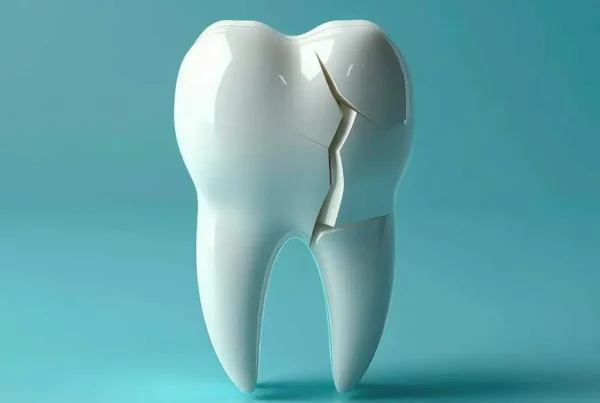

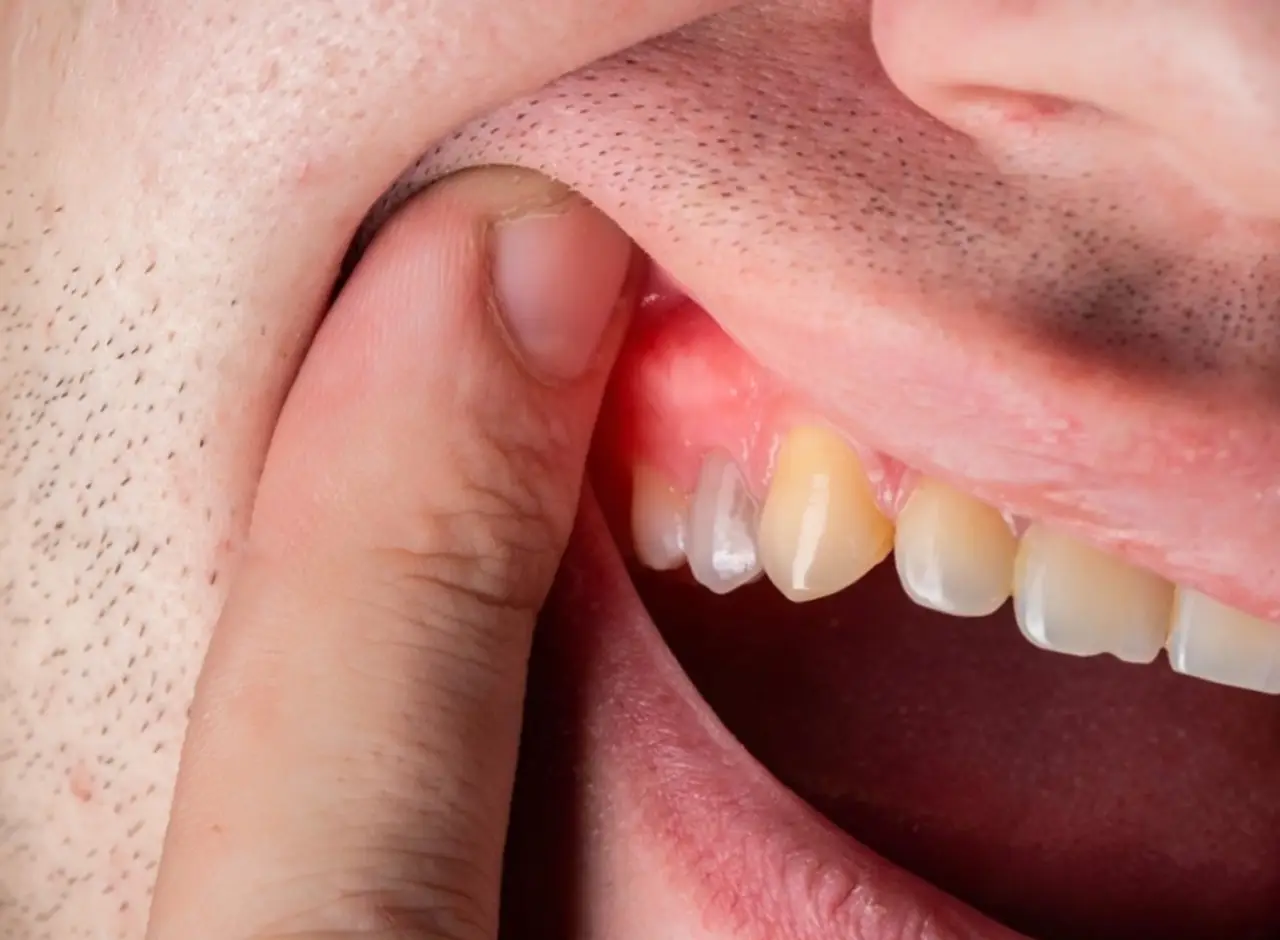

A dental abscess (known as a “flemón” in Spanish) is a painful infection that can appear suddenly and, if left untreated, may lead to serious complications. It forms due to a buildup of pus in the gums or at the root of a tooth and can spread to surrounding tissues or even the bone. For anyone visiting Mallorca, this type of dental emergency can quickly ruin your holiday plans. That’s why it’s essential to act quickly and visit a emergency dentist in Palma de Mallorca to control the infection and relieve the pain.
An experienced dentist in Palma de Mallorca can drain the abscess, prescribe the appropriate medication, and apply the definitive treatment depending on the cause of the problem. Meanwhile, here are some important recommendations to keep in mind.
Do Not Try to Treat It at Home
A common mistake is trying to puncture, cut, or drain the abscess at home. Doing this can worsen the infection, spread it to other areas, and even put your overall health at risk. Drainage must always be performed by a professional under safe and sterile conditions.
What You Can Do Until You See a Dentist
- Apply a cold compress to the swollen area to reduce pain and inflammation.
- Rinse your mouth with warm salt water several times a day to ease discomfort.
- Take over-the-counter painkillers or anti-inflammatories to manage the pain.
- Maintain good oral hygiene, avoiding direct pressure on the affected area.
These measures are only temporary: the only effective treatment is professional care.

Visit an Emergency Dentist
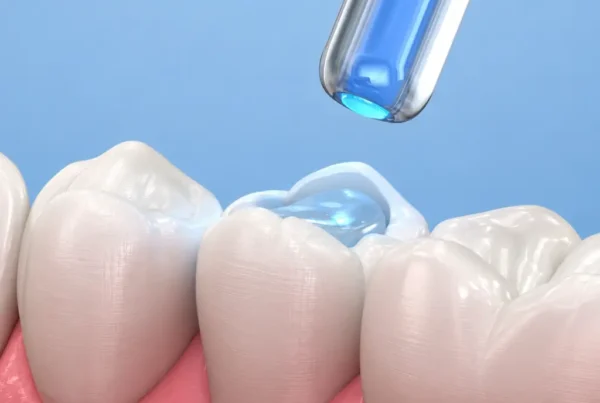
Abscesses will not go away on their own. It is essential to see a dentist as soon as possible to identify the cause of the infection and treat it properly. In the clinic, the specialist can drain the abscess, prescribe antibiotics, and carry out the necessary treatment—whether a root canal, periodontal cleaning, or, in severe cases, tooth extraction.
Delaying treatment only increases the risk of the infection spreading and causing more serious complications.
How to Recognize a Dental Abscess
- Sharp, persistent pain that doesn’t subside.
- Swelling in the gums, cheek, or even neck.
- Sensitivity to hot, cold, or chewing.
- Bad taste in the mouth and bad breath.
- In severe cases, fever and general malaise.
When Is a Dental Abscess Dangerous?
An abscess becomes dangerous when the infection spreads beyond the mouth and affects other areas of the body. This can cause life-threatening complications if not treated quickly.
Warning Signs
- Pain that does not improve with painkillers.
- Swelling that grows quickly or extends toward the neck.
- High fever, chills, and general malaise.
- Difficulty opening the mouth, swallowing, or breathing.
- Pus, bad breath, and a feeling of being very unwell.
Possible Complications
- Infection in the bone (osteomyelitis).
- Spread to neck, chest, or even brain tissues.
- Septicemia (generalized blood infection).
- Airway obstruction due to swelling.
Types of Dental Abscesses
- Gingival abscess: localized in the gum, without affecting the bone or tooth root.
- Periodontal abscess: develops in the supporting tissues of the tooth, common in advanced gum disease.
- Periapical abscess: located at the tooth root, usually caused by deep cavities or trauma.
- Less common types: submandibular or palatal abscesses.
How Long Does an Abscess Last?
With proper treatment, symptoms usually improve within 48 hours, and the infection typically resolves within 7 to 10 days. However, duration can vary depending on severity and individual response to treatment.
Factors That Influence Duration
- An untreated abscess may last for weeks and worsen.
- Additional treatments such as a root canal or extraction may be required.
- Completing the full course of antibiotics and following the dentist’s instructions is essential.
How to Prevent Dental Abscesses
- Brush your teeth after every meal.
- Use dental floss and interdental brushes.
- Use mouth rinses recommended by your dentist.
- Attend professional cleanings to remove tartar buildup.
Final Note
If you develop a dental abscess, don’t ignore it and don’t try to treat it at home. Visit an emergency dentist in Palma de Mallorca as soon as possible. Only a specialist can stop the infection and address the underlying cause. With regular check-ups and good oral hygiene, you can also prevent abscesses from recurring.