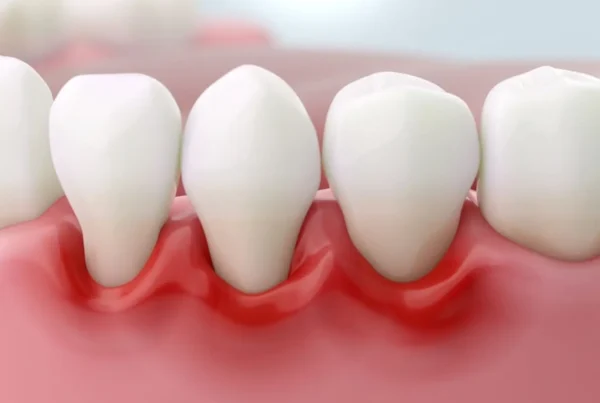


Dental curettage, also known as scaling, is a professional cleaning procedure that is carried out in the dental office. This treatment is performed when daily oral hygiene is not able to completely remove bacterial plaque or tartar, with the goal of preventing gum diseases such as gingivitis and periodontitis.
Understanding Bacterial Accumulation
The accumulation of bacteria, responsible for periodontal diseases, is usually caused by excessive formation of dental plaque. Although brushing your teeth three times a day is essential to combat this accumulation, there are always hard-to-reach areas where cleaning is less effective. These areas can suffer from the accumulation of bacteria that, over time, mineralize and become a hard deposit known as calculus or tartar, which cannot be removed solely by brushing. For this reason, a dentist in Palma de Mallorca may recommend the performance of a deep professional cleaning, which includes curettage or scaling, in addition to root planing to ensure thorough cleaning of the teeth and gums.
Stages of the Treatment
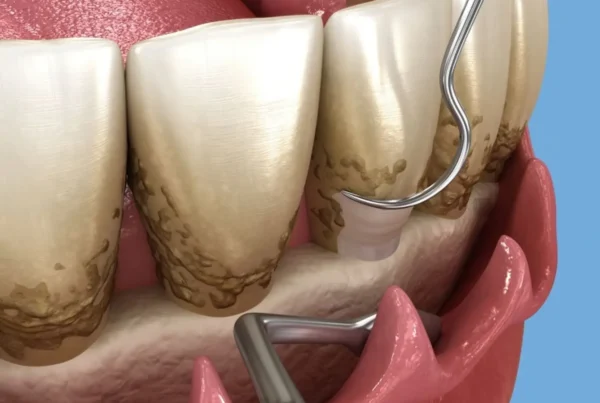
The treatment is carried out in several stages. First, the removal of plaque and tartar deposits is performed. For this, an ultrasonic scaler is often used to remove the majority of the build-up, followed by specific hand instruments to eliminate any remaining residue. The next step involves polishing both the visible part of the teeth and their roots, to achieve completely smooth surfaces. Although polishing helps to remove stains and leave the teeth sparkling, it is also essential to smooth out small imperfections and rough textures, which helps prevent future plaque build-up.
Frequency of Treatment
The frequency with which scaling and root planing should be performed depends on the degree of periodontal disease detected, with the dentist determining the appropriate frequency. It is crucial to remember that these types of treatments complement a daily oral hygiene routine and should never replace regular brushing. If you visit the dentist regularly, the scaling and polishing procedure will be quick and painless, as long as you keep plaque under control by brushing your teeth and using dental floss effectively.
Differences Between Curettage and Professional Cleaning
It is important to highlight the differences between curettage and a professional dental cleaning. Deep professional cleaning is considered a non-invasive treatment that removes tartar deposits adhered to the dental surface, right at the gumline, preventing them from infiltrating into the gum tissue. On the other hand, scaling and root planing, or curettage, is performed in situations where plaque has reached the roots of the teeth. In these cases, the bone structure supporting the teeth is compromised, which can lead to tooth loss.
Comfort and Anesthesia
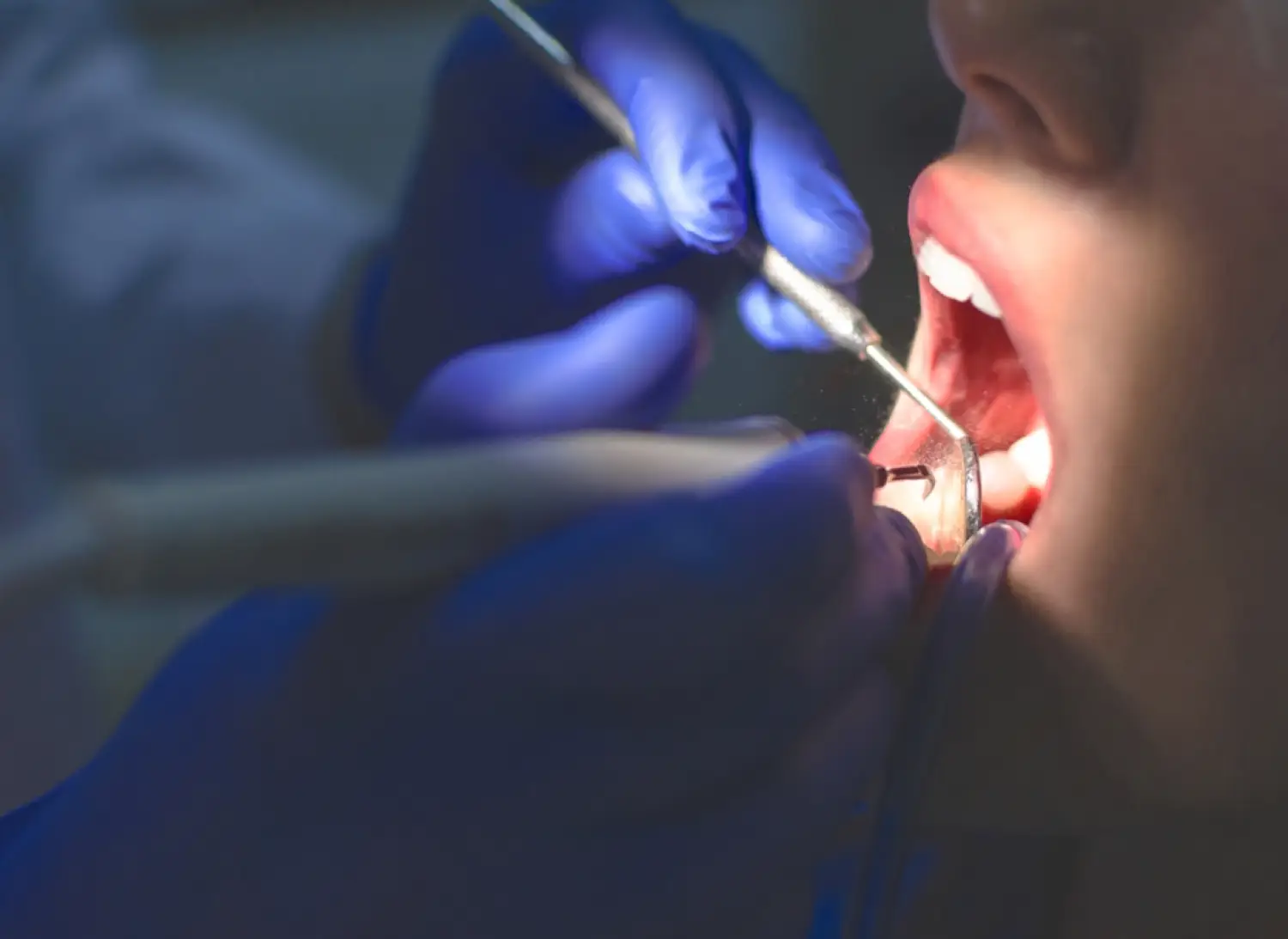
Generally, curettage treatment requires the use of local anesthesia, as it can be uncomfortable when tools are introduced to clean tartar below the gumline. For most patients, this treatment is recommended every six months, although some people may require it more frequently, especially at the beginning, to achieve stability in managing their periodontal disease.