

A throbbing toothache, sensitivity to hot or cold that just won’t go away, or pain that gets worse when you bite down are all signs that shouldn’t be ignored. In many of these cases, root canal treatment in Palma de Mallorca is the solution that allows the natural tooth to be saved, removing the source of the infection and the pain at the same time.
In this article we explain what this treatment involves, why it may be necessary, how it’s carried out step by step, and what aftercare you should follow so your recovery is fast and free of complications.

Article index
- What is a root canal treatment and why might you need one?
- How is root canal treatment carried out?
- Aftercare following a root canal
- Why choose an experienced dentist in Palma de Mallorca
What is a root canal treatment and why might you need one?
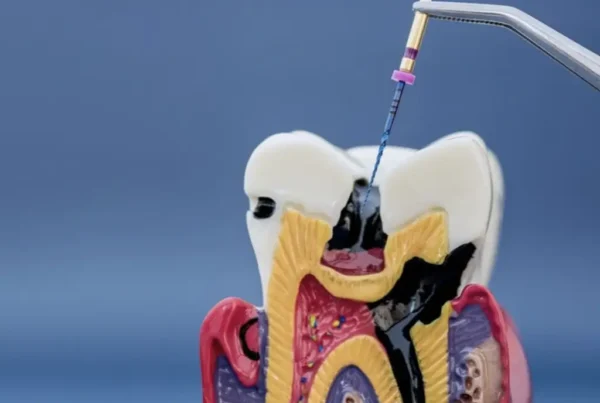
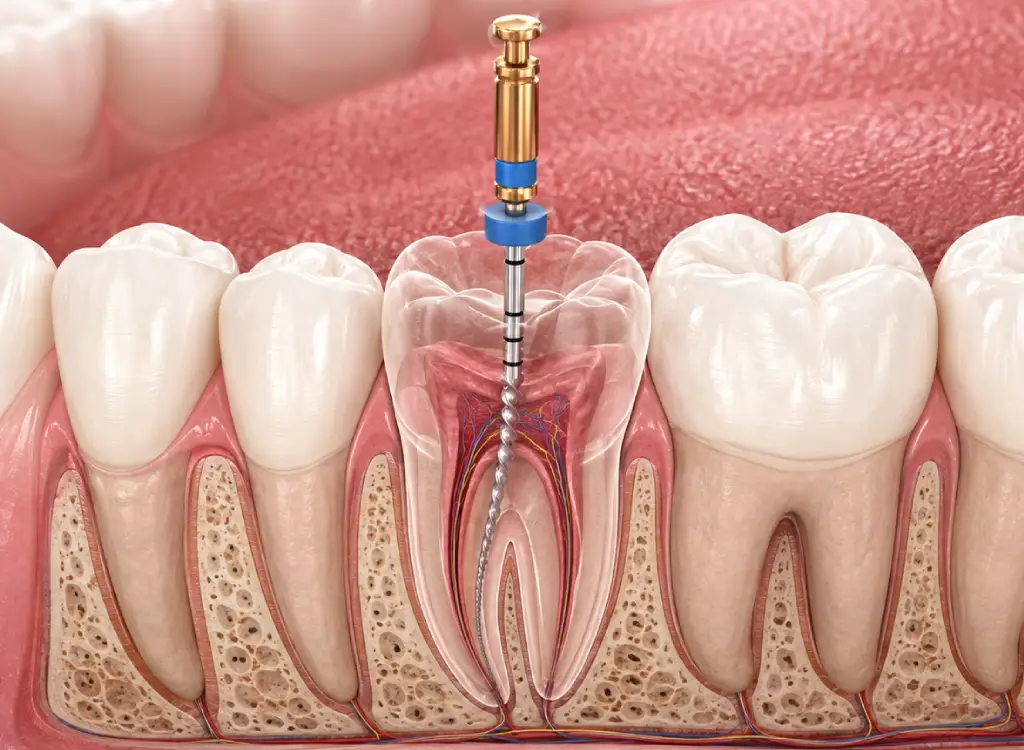
Inside every tooth there is a soft tissue called the dental pulp, made up of nerves and blood vessels. When deep decay, a blow, or a crack reaches that area, the pulp can become inflamed or infected, causing pain that is often intense and constant. Root canal treatment, also known as endodontics, involves removing that damaged tissue, cleaning and disinfecting the inside of the tooth, and sealing it so it can keep functioning properly for many years.
Thanks to this procedure, extraction can be avoided in the vast majority of cases, which is especially important when the affected tooth plays a key role in chewing or in keeping the rest of your bite properly aligned.
Signs that you might need a root canal
- Spontaneous pain, or pain that worsens when biting or chewing.
- Prolonged sensitivity to hot or cold that lingers after the stimulus is removed.
- Swelling or a small pimple on the gum near the affected tooth.
- Darkening of the tooth.
- Tenderness when pressing the area, even without biting down.
If you notice any of these symptoms, it’s best to book a check-up as soon as possible. The earlier the infection is treated, the simpler and more conservative the treatment tends to be.
How is root canal treatment carried out?
Although it can sound intimidating, root canal treatment today is a pain-free procedure thanks to local anaesthesia and modern techniques. The process generally involves the following stages:
- Diagnosis and anaesthesia: an X-ray is taken to assess the condition of the tooth and the extent of the infection, and local anaesthesia is applied so the patient feels no discomfort during the procedure.
- Isolating the tooth: a rubber dam is used to isolate the tooth being treated from the rest of the mouth, keeping saliva away and improving both patient comfort and the sterility of the treatment.
- Cleaning and disinfecting the canals: the damaged pulp is removed and the internal root canals are thoroughly disinfected.
- Sealing and restoration: once disinfected, the canal is filled with a biocompatible material and, in most cases, a filling or crown is placed afterwards to restore the tooth’s function and natural appearance.
Technology and precision at every stage
The use of a dental microscope, electronic apex locators, and state-of-the-art materials allows for far more precise treatments than in years past, reducing chair time and increasing the long-term success rate. An accurate diagnosis combined with a careful technique are the keys to keeping a treated tooth healthy for decades.
Aftercare following a root canal
After the treatment is finished, it’s normal to feel mild sensitivity in the area for a day or two, which usually goes away without further complications. To support a comfortable recovery, we recommend:
- Taking any painkillers prescribed by your dentist, if needed.
- Avoiding chewing hard food with that tooth until the final restoration is placed.
- Keeping up good oral hygiene, brushing the treated area gently.
- Attending your follow-up appointment to make sure healing is progressing as expected.
By following these guidelines, most patients are back to their normal routine the same day or the day after treatment.
Why choose an experienced dentist in Palma de Mallorca
Choosing an experienced dentist in Palma de Mallorca can make all the difference between a successful treatment and future complications. Precision when cleaning the canals, the right technology, and close follow-up during recovery are all key factors in preserving the tooth long term.
At our clinic we work with up-to-date protocols and personalised care so that every root canal treatment in Palma de Mallorca is as comfortable as possible, relieving pain from the very first visit whenever the situation calls for urgent care.
If you’re feeling discomfort in a tooth or think you might need this treatment, don’t wait for it to get worse. As a dentist in Palma de Mallorca specialising in dental emergencies, we have a team ready to diagnose and treat your case quickly and reliably.